
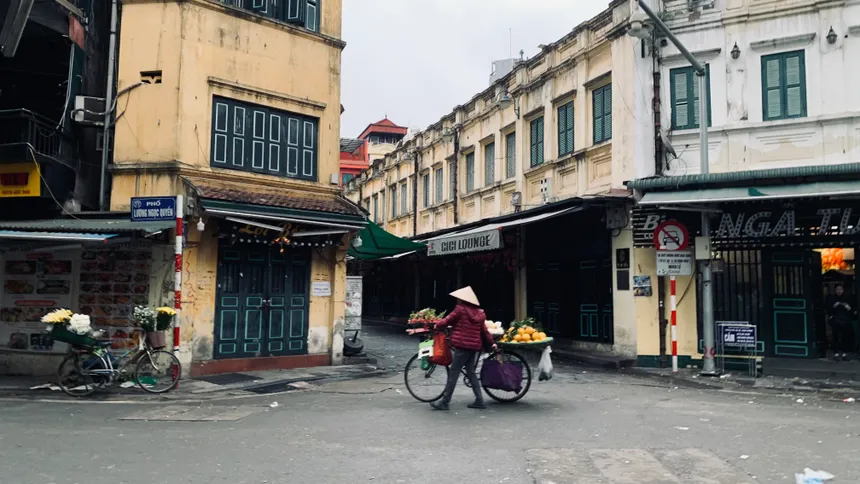
Why Teach English in Vietnam in 2026
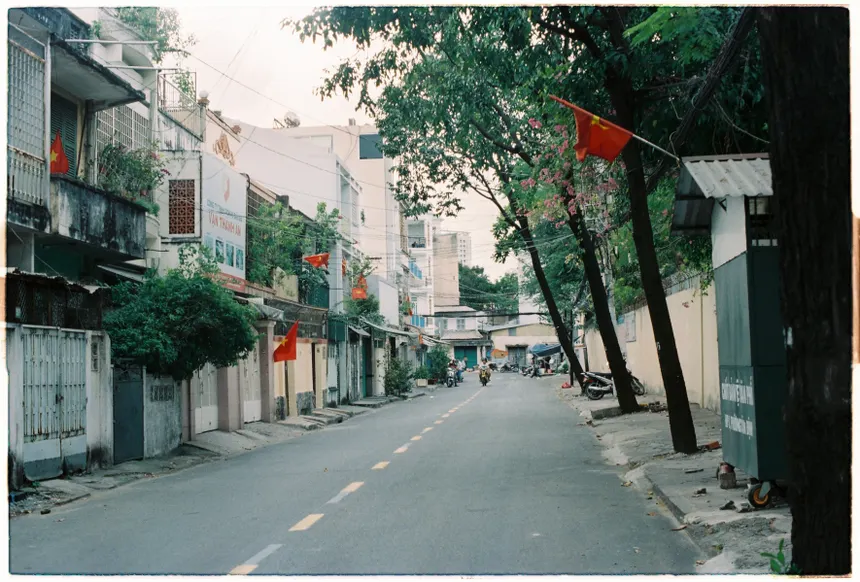
- Loads of teaching jobs in both bustling cities and quieter towns
- Good, tax-free salaries and living costs that are still low (by Western standards, anyway)
- Unbeatable street life and food culture (years on, I still crave the banh xeo from a tiny lane in Hanoi)
- Locals who are genuinely curious and warm - you’ll get a smile almost everywhere
- Visa process is still less of a pain compared to neighbours
- History and culture everywhere - from the lanterns of Hoi An to Saigon’s never-ending buzz
- Wildly beautiful spots all over: Ha Long Bay, Sapa, the Mekong Delta, and so many more
Vietnam TEFL Job Requirements and Visa Process Explained
If you’re thinking of teaching English in Vietnam in 2026, you’ll need a bit more than just enthusiasm. Most requirements are straightforward, but there’s a lot of confusion - especially for non-native teachers. Here’s what you really need to know. Most schools and language centres (even the pickier international ones) will usually ask for:- A bachelor’s degree - in anything, not necessarily teaching or English
- A TEFL or TESOL certificate (at least 120 hours - see our TEFL programmes)
- Clean criminal record check from your home country
- A passport valid for at least another 12 months
- A local health check after you arrive in Vietnam
- Your degree, legalised and stamped (both by your home country and the Vietnamese embassy)
- Legalised TEFL certificate
- Your original background check
- Passport photos (the official style, not your holiday snaps!)
- Signed contract from the school
Pro Tip: Start getting your documents together before you even leave home. Legalising degrees and TEFL certificates isn’t quick - it can drag out for weeks. Arrive in Vietnam without them, and you’ll be paying through the nose for “urgent” help.
And if you’re a non-native English speaker: Vietnam really is more open, but you’ll still need to prove your English. Usually IELTS 7.5 or above, or a similar score. Some schools will want a quick video call to check your accent and fluency too.
The paperwork can be dull, sure, but once you jump through that hoop, you’re set. Legal, secure, and ready to start teaching.
Vietnam vs Other Asian TEFL Destinations: What Sets It Apart
Everyone loves to compare Vietnam with Thailand, South Korea, and China. I’ve worked in all three, so I can say: they’re actually pretty different. Vietnam really does feel unique, both inside and outside the classroom. Let’s break it down:| Country | Salary Range (USD/month) | Visa Requirements | Non-Native Hiring | Cost of Living | Cultural Experience |
|---|---|---|---|---|---|
| Vietnam | 1,200 - 2,000 | Degree, TEFL, background check | Yes (if fluent) | Low | Vibrant, open, affordable |
| Thailand | 900 - 1,400 | Degree, TEFL | Sometimes | Low - medium | Relaxed, touristy |
| South Korea | 1,800 - 2,400 | Degree (native English), TEFL | Rarely | Medium | Modern, reserved |
| China | 1,500 - 2,800 | Degree, TEFL, strict visa | Rarely | Medium | Intense, urban |
TEFL Certification for Non-Native English Teachers in Vietnam
Non-native teachers ask me all the time: will Vietnamese schools accept my TEFL certificate? The honest answer is yes - as long as your certificate is legit and your English is strong. Bare minimum is a 120-hour TEFL from a known provider. Online-only is fine, but if you can get real classroom practice, you’ll be miles ahead (trust me, you’ll want that the first time you’re facing thirty teenagers). Here’s what really works:- 120-hour TEFL with real teaching practice (see our TEFL programmes)
- CELTA or Trinity CertTESOL (especially if you want to teach adults or get a job in an international school)
- For non-native speakers: proof of top-level English (IELTS 7.5+ or CEFR C1/Advanced)
- TEFL provider must be known in Vietnam - always check for success stories from past graduates
Pro Tip: If you’re not a native speaker, film a short “hello” video when applying. Employers in Vietnam really like seeing you in action - it’s your moment to show off your accent and the way you lead a class.
And don’t forget: you have to legalise your TEFL certificate before you head over - authorities here love their paperwork. If you’re still comparing courses, check out fees and pricing and pick a provider with real support from people based in Vietnam.
- Pick a course with at least 120 hours
- Try to get observed teaching practice
- If you’re non-native, have proof of English
- Legalise your TEFL before you travel
- Make sure your course actually helps grads land jobs here
Living and Working in Vietnam: Cost of Living, Salary, and Lifestyle
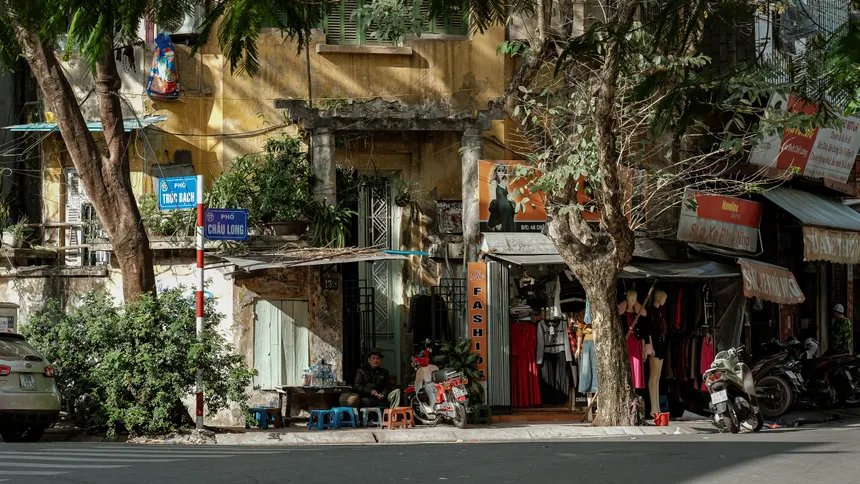
- Rent (central, one-bedroom): $350 - $600/month
- Local street food: $1 - $2 per meal
- Western food: $6 - $12
- Motorbike rental: $50 - $80/month
- Decent internet: $10/month
- Local beer: $1
- Monthly gym: $20 - $35
- Health insurance: $30 - $50/month
- Most teachers save $500 - $800 every month
- Unemployment among English teachers? Less than 3% (from what I’ve seen)
- Urban population (2026 guess): about 41 million
Expert Insights: Navigating the Vietnamese Classroom in 2026
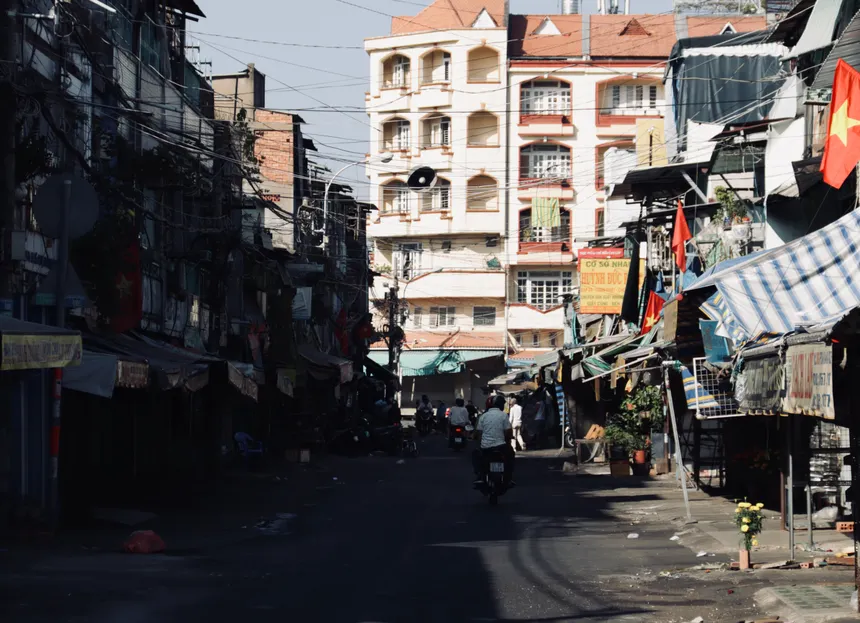
Quick classroom facts for 2026:"Vietnamese classrooms reward creative lesson planning and a willingness to adapt. Teachers who mix fun with structure see the fastest progress."
- Linh Tran, Academic Director, Hanoi Language Institute
- Class sizes: 18 - 25 (language centres); 30 or more in public schools
- Lessons usually run for 60 - 90 minutes
- “English only” is often the rule, but kids will slip into Vietnamese when stuck
- Parents follow progress closely, especially with younger learners
It’s not always a walk in the park. But if you’re flexible, open-minded, and genuinely interested in your students’ lives, you’ll do really well here."Teachers who share their own learning experiences - especially non-native teachers - build rapport quickly. Students appreciate knowing you’ve faced the same challenges."
- Tomasz Kowalski, Senior Tutor, IQ TEFL Academy
Common Challenges and How to Overcome Them in Vietnam
No move abroad is ever perfect. Vietnam isn’t any different - there are a few common hiccups, so let’s look at what teachers run into, and how they handle it. Sometimes the culture shock sneaks up on you. People rarely say a direct “no” here - you’ll hear “maybe” or “let’s see” instead, because it’s considered rude to refuse outright. Contracts can feel a bit vague, and might even change after you sign. And, to be real, even though English is everywhere in schools, don’t expect your landlord or the lady at HR to understand you. The main hurdles:- Language barrier once you step outside school
- Contracts that aren’t always clear (or get changed on you)
- Late pay - mostly at smaller schools
- Big, mixed-ability classes
- Understanding “saving face” and other local etiquette
Pro Tip: Always get your contract in writing, make sure it’s translated into English, and have a local friend or experienced expat check it for you. Don’t shy away from negotiating - employers expect it here, and you actually earn their respect if you stand up for yourself.
On the language front: do yourself a favour and learn a few Vietnamese basics. Even if your accent is terrible (mine is - students laugh every time), it helps, especially with landlords or taxi drivers. I once bought a whole kilo of raw duck at a market in Da Nang, thinking I was ordering just a snack - so, yeah, practise your numbers!
My go-to survival tips:"Be patient with bureaucracy. Expect delays, double-check all documents, and keep digital and hard copies. Vietnam rewards persistence and a sense of humour."
- Sarah Le, Expat Teacher Coach, Ho Chi Minh City
- Find expat teacher groups for advice and job leads
- Keep a little emergency fund for your first two months (things can get tight at first)
- Ask if you can talk to current teachers before you sign anything
- Learn a bit of Vietnamese - trust me, it makes a world of difference
- Try not to take cultural confusion too seriously - just laugh it off
Start Your TEFL Journey in Vietnam: Steps to Secure Your 2026 Job
So, are you thinking of taking the plunge? Here’s how to actually land an English teaching job in Vietnam for 2026.
Pro Tip: A strong application really does make you stand out. Put together a CV focused on teaching, add a professional photo, and send in a short video intro. Vietnamese schools love seeing who you are.
Your step-by-step:
- Do your homework - check out schools and recruiters who’ve placed teachers in Vietnam before
- Read up at IQ TEFL Academy for loads of practical advice (and job leads)
- Sign up for a 120-hour (or longer) TEFL course - see our TEFL programmes
- Gather your degree, TEFL certificate, and background check - and get them legalised
- Update your CV, focusing on anything teaching, tutoring, or youth-work related
- Have all documents scanned and ready to go
- Apply directly to schools or stick to trusted recruiters
- Practice for video interviews (don’t leave the tech to the last minute!)
- Negotiate your contract. Seriously, the first offer isn’t always the best. Make sure it’s right for you
- Book your flight, sort some temporary housing, and pack light (buy anything you need in Vietnam, except good deodorant - that’s surprisingly hard to find!)
