

What to Expect in Your First Week Teaching English Abroad: A Complete Guide
Your Arrival and First Impressions: Entering a New Culture
Stepping into a new country, right outside the airport, is a feeling that's hard to forget. When I landed in Osaka, I remember the sticky heat hitting me along with that strange buzz of excitement and uncertainty. And honestly, the first thing I clocked? Just how fast and quiet everything felt on the Japanese metro. Not a single voice, not even a soft murmur. You kind of have to remind yourself that people in different places show respect in their own ways. That first week? It's about just figuring things out, sometimes hour by hour. You'll probably be swept up in a jumble of new faces, different noises, and even a few odd smells you can't quite place. If you're lucky, the school will arrange someone to meet you. But I've known plenty of folks who had to get brave with a taxi driver or navigate a maze of buses solo their first night.- Orientation sessions: Sometimes these are official - HR tour and all - and sometimes it's just you and your headteacher having a chat over tea.
- Paperwork: Expect things like visa checks, signing contracts, and maybe even a health check (especially if you're heading to Korea or China).
- Accommodation: Usually you'll be shown your apartment pretty quickly, but don't assume it's ready. One time in Incheon, I spent three long days waiting for them to fix a leaking pipe and clean up.
- Meeting colleagues: Some will be super-friendly and welcoming right away. Others might keep things polite and a bit distant. Try not to read into it too much.
Pro Tip: Try to pick up a few basic phrases before you arrive. Even a wonky "hello" is enough to crack a few smiles - and make people feel you care about their language.
- Bring a paper map and have your school’s address written in the local script - trust me, your phone won’t always save you.
- Take a minute to watch how locals greet each other. Copy what they do - it works.
- If you get lost or overwhelmed, don’t panic. We've all been there.
Day One in the Classroom: What Happens and How to Prepare
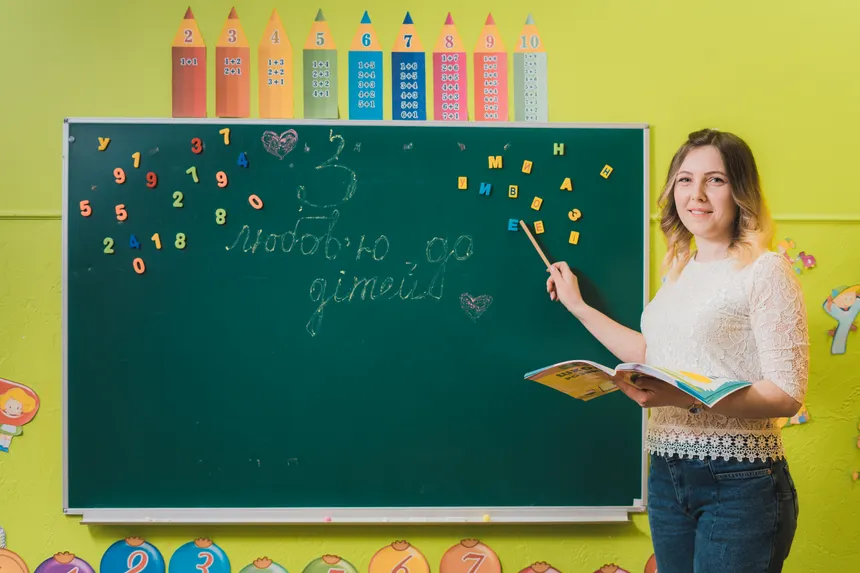
The dreaded (or maybe exciting?) first morning. You’ll almost definitely wake up way before your alarm, nerves jangling. Your clothes will probably be ironed within an inch of their life. You might not teach that day, but you’ll be clutching your lesson plan anyway. I’ve seen teachers everywhere - from Poland to Peru - quietly practising their self-intros in the mirror. And you know what? Your students are way more curious about you than you could ever be about them. Usually, your first day is about getting a feel for things and saying hello to everyone. In Korea, you’d probably spend a day shadowing another teacher. In Italy, well, you might find yourself thrown in the deep end with a noisy Year 5 class and zero instructions. But there’s always a kind of flow to it:- Meet the principal or headteacher - expect a mix of polite, maybe slightly rushed, greetings.
- Observe classes, and keep an eye on how teachers keep students in line. Spoiler: it rarely looks the way your TEFL textbook said it would.
- Introduce yourself to the students. I promise, the first question is always, "Where are you from?"
- Figure out the daily routine: when the bell rings, how breaks work, what’s for lunch (could be pho, could be a cheese sandwich - you just never know).
- Collect your teaching materials. This ranges from a shiny new laptop and set syllabus to, well, a whiteboard and a "your books will arrive next week" shrug.

- Show up early and ask whatever comes to mind.
- Bring a little something from home. You’d be surprised how fast a keyring or postcard breaks the ice.
- Write your name on the board, and say it slowly so they all have a fair shot at getting it right.
"Your first day isn’t about impressing anyone. It’s about listening, watching, and showing you care enough to learn how things work."
- Anna Lee, Senior Trainer, IQ TEFL Academy
Comparing First Week Experiences: Asia, Europe, and Latin America
Let’s be real - no two first weeks are ever exactly the same. Some teachers land in Seoul and get a ten-page minute-by-minute schedule. Meanwhile, a friend of mine started her job in rural Spain with, "Here’s your timetable, see you tomorrow." What people expect, how much support you get, and even what "on time" means, can be totally different, depending on where you are.| Region | Work Culture | First Week Support | Student Expectations |
|---|---|---|---|
| Asia (e.g. Japan, South Korea, Vietnam) | Formal, punctual, hierarchy matters | Comprehensive orientation, assigned mentor, paperwork assistance | Respectful, reserved at first, high academic pressure |
| Europe (e.g. Spain, Czech Republic, Italy) | Flexible, relaxed timekeeping, collaborative | Brief induction, informal staff support, self-guided tours | Chatty, inquisitive, sometimes challenging authority |
| Latin America (e.g. Mexico, Chile, Colombia) | Warm, social, time is a guideline | Friendly introductions, informal mentoring, group meals | Expressive, enthusiastic, strong teacher-student bonds |
- Asia: Be ready for more structure and those little formal traditions. Your clothes and punctuality count for a lot.
- Europe: Things are more relaxed. Students might push your buttons, but it’s usually in good fun.
- Latin America: You’ll get a warm welcome - and sometimes a big dose of chaos. Go with it and make the most of those big staff lunches.
Lesson Planning and Classroom Management in Week One
So you’ve done your intros - now for the real work. Lesson planning is a juggling act at first. You’ll be trying to stick to the syllabus (if you’ve got one) but also just trying to figure out what your students actually care about. Honestly, I say: have a plan, but don’t get too attached. Once I spent an entire Sunday planning a lesson on British holidays for my class in Seoul, only to find out all they wanted to talk about was football. Well, actually, more like Premier League team rivalries.
Pro Tip: Always have spare warm-ups and quick activities in your back pocket. Because trust me, when your well-planned lesson wraps up 15 minutes early, you’ll be so glad you did.
- Keep things simple: Focus on routines, basic classroom English, and just getting to know your students.
- Use visuals: Photos from your hometown, any flashcards you have, or even just pictures on your phone. They really do help bridge the language gap.
- Set classroom routines: Show students how to ask for help and your preferred signal for quiet. Start this on day one.
- Watch the local teachers: You can pick up so much just by observing. My first week in Korea, I learned the “quiet hand” just by watching a colleague use it.
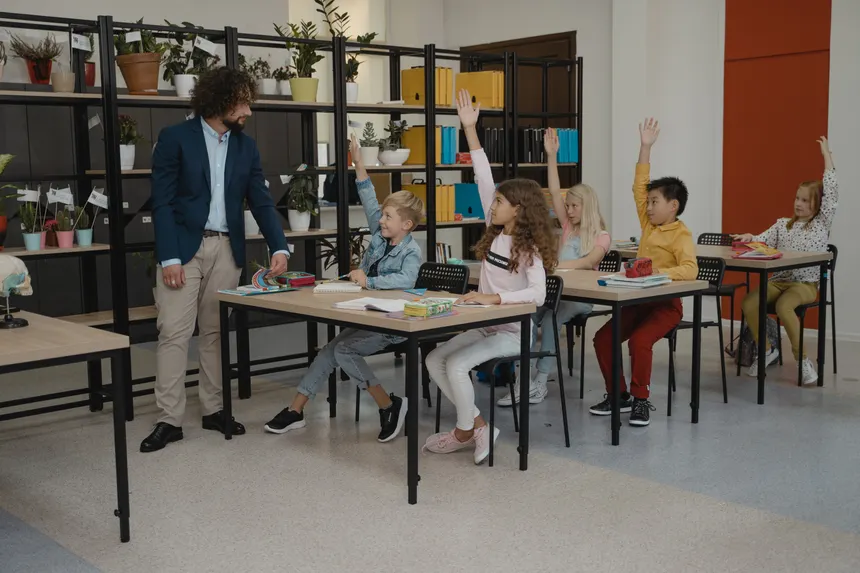
Pro Tip: Not sure how strict you should be? Start off firm but friendly. It’s way easier to lighten up later than to suddenly tighten the reins when chaos sets in.
Overcoming Common First Week Challenges as a Non-Native Teacher
Let's be honest here: being a non-native English teacher? Sometimes it feels like starting two steps behind. You might get some weird looks or questions about your accent or background. I know teachers in places like Hanoi and even Warsaw who've had kids pipe up with "But you’re not from England?" My honest advice? Just own it. The fact that you learned English yourself is actually a superpower in the classroom. Some usual bumps in week one:- Students testing your authority (maybe asking you to repeat a word, but with a grin)
- Colleagues questioning your teaching style or even your English
- Parents curious about your background
- Trying to wrap your head around teaching methods that feel worlds away from what you’re used to
Pro Tip: Tell your story. Let students know you learned English too, and what that was like. It helps them trust you - and to respect your hard work.
If you start to feel judged, remember this: Your job isn’t to sound like you grew up in London. It’s to help your students actually use English. Your accent is a reminder that English is for everyone - not just the usual suspects."Non-native teachers bring empathy and resilience to the classroom. Your unique perspective enriches your students’ learning."
- Dr. Rui Chen, Academic Director, IQ TEFL Academy
Building Relationships with Students and Colleagues
If there’s one thing that makes life easier abroad, it’s having good relationships at school. That first week is when you plant the seeds for trust and teamwork. When I was teaching in Daegu, I was totally lost in the staffroom etiquette minefield at first, but Ms Kim (the math teacher) showed me the right way to pour tea, and we ended up hiking every weekend. Funny how the little things can spark some of your best friendships. Your students are watching you, too. Remember their names, laugh at their silly jokes, and show a bit of interest in their culture. It works."A teacher’s openness and willingness to learn from students sets the tone for the whole year. The first week matters more than you think."
- Carlos Romero, Senior Trainer, IQ TEFL Academy
- Ask about local holidays or school traditions - people love when you care about what matters to them.
- Join staff lunches or coffee breaks, even if you only understand half the conversation. Your effort means a lot.
- Don’t worry about asking for help. Most teachers are happy to answer questions or lend you whatever you need.
- Try a joke in the classroom, even if you mess it up. Students love it when you make fun of yourself a little, especially if you mangle a word in their language.
Expert Insights: What Successful TEFL Teachers Wish They Knew
What do the pros say about those first nerve-wracking weeks? If I could talk to my younger self, I’d say three things: Don’t overdo the prep, don’t be scared to look silly, and never hesitate to ask questions. Bit of data here: Based on IQ TEFL Academy surveys, about 68% of new teachers say their first week was more about keeping their heads above water than really thriving. But here’s the thing - 82% said they felt right at home by the end of their first month. That’s actually pretty comforting."I wish I’d understood that the first week is supposed to feel overwhelming. If you’re not a bit lost, you’re probably not learning enough."
- Samira Patel, TEFL teacher and mentor
- Most new teachers completely underestimate how draining it is to adapt to a new culture. Go easy on yourself.
- 70% of our alumni said finding support from other foreign teachers was a lifesaver. Don’t try to do it all alone.
- Only 24% actually stuck to their first week’s lesson plan word for word. Being flexible is a skill, not a failure to plan.
Set Yourself Up for Success: Next Steps After Your First Week Teaching Abroad
You survived the first week - take a breath! But don’t just stop there. Think about what went well, what didn’t, and don’t be shy about asking for feedback. Start looking at ways to keep growing.
Pro Tip: Keep a teaching journal. Even just jotting down a sentence or two each day about what worked (or didn’t) is so useful in a few months’ time.
- Ask your mentor or a trusted co-worker for real, honest feedback about how you’re doing.
- Reach out to other teachers - online, offline, wherever. The IQ TEFL Academy teaching team is always a good place to begin.
- Maybe sign up for our TEFL programmes or consider updating your TEFL certification.
- Take a look at course fees and pricing if you’re curious about more training.
- And honestly, don’t forget to go explore your city. You're not just here for the classroom!
