

The TEFL Institute: Reviews, Prices & Course Review

In-Depth Review of The TEFL Institute
Established as a prominent TEFL (Teaching English as a Foreign Language) course provider, The TEFL Institute positions itself as a gateway for aspiring English teachers to gain the qualifications needed for teaching abroad or online. With an array of courses ranging from entry-level to advanced diplomas, government-regulated accreditations, and a growing suite of support services, the provider has garnered a significant presence in the TEFL marketplace. This comprehensive review examines The TEFL Institute's offerings, strengths, and limitations, providing prospective trainees with the context needed to make an informed decision.
Overview: Who Are The TEFL Institute, and Who Are Their Courses For?
The TEFL Institute is a specialized training organization focused exclusively on preparing candidates to teach English as a foreign language. Headquartered in the UK but enrolling students globally, the institute has cultivated a strong brand identity as a provider of regulated, accessible, and career-oriented TEFL certification. Its primary mission is to bridge the gap between academic training and practical, real-world employability in both the international and online English teaching sectors.
The provider distinguishes itself by offering structured learning pathways tailored to a range of career ambitions and backgrounds. Their flexible, online-first approach is particularly attractive for those who cannot commit to full-time, in-person study or who may not have access to high-quality TEFL training in their home country. The TEFL Institute has actively expanded its support features, such as offering a dedicated mobile app, integrating mentorship, and focusing on career transition services, which are now considered important markers of quality in the competitive TEFL marketplace.
The TEFL Institute caters to a broad demographic:
- Recent graduates and career changers: Individuals looking to start a new career or take a gap year abroad. These candidates typically seek foundational training that leads directly to entry-level jobs in Asia, Latin America, or online.
- Working professionals: Those aiming to supplement their income by teaching English online or part-time, requiring a flexible, self-paced study format that fits around work or family commitments.
- Those seeking formal, accredited credentials: Candidates who want the added security of government-regulated or internationally recognized certificates, which can open doors to higher-paying or more competitive teaching positions.
- Adventurers and travelers: Individuals interested in structured internships that combine travel, training, and paid teaching placements, offering a guided route into international teaching.
The TEFL Institute claims that over 85% of its graduates find employment, a figure reflective of their investment in job resources, mentorship, and partnerships with schools. While such statistics are difficult to verify independently, they do indicate an organizational focus on outcomes, not just certification. Their blend of self-paced courses, dedicated support, and mobile-friendly resources makes them well suited to busy adults, mobile learners, and those seeking a relatively streamlined path into the TEFL profession.
Courses & Curriculum: Types, Hours, Levels, and Format
The TEFL Institute offers a diverse suite of courses designed to meet different learner needs and career ambitions. Their curriculum is structured by study hours and qualification levels, ranging from entry-level certificates to advanced, government-regulated diplomas. Most courses are delivered entirely online through a proprietary learning platform, with supplementary mobile access for students who prefer to learn on the go.
The main course options include:
- 120-Hour Advanced TEFL Course: This is the most popular entry-level option, intended for those new to teaching. The curriculum covers the fundamental principles of English language teaching, such as lesson planning, basic grammar, classroom management, and core teaching techniques. Students encounter a mix of multimedia content, quizzes, and written assignments. The 120-hour course is typically sufficient for most online teaching jobs and for entry-level positions in countries with less stringent TEFL requirements. It is not government-regulated, but it serves as an accessible, affordable starting point for many newcomers.
- 180-Hour Level 5 TEFL Diploma: This course is regulated by Ofqual (the UK government’s qualifications authority) and is benchmarked at RQF Level 5, equivalent to a foundation degree or higher national diploma in the UK. The curriculum is significantly more in-depth, covering advanced grammar, classroom methodologies, language acquisition theory, differentiation for learners with varying needs, and a broader range of teaching scenarios. Level 5 status appeals to candidates targeting more competitive job markets, such as Western Europe, the Middle East, or higher-paying online schools, where a degree of external regulation is often required or preferred.
- 300-Hour Level 5 Advanced TEFL Diploma: As the most comprehensive offering, this diploma is designed for those looking to specialize further. It builds on the Level 5 curriculum with elective modules in areas such as teaching business English, preparing students for exams (like IELTS or Cambridge), and working with young learners. It also incorporates advanced career development guidance. The extended study hours and specialization make this suitable for candidates interested in long-term TEFL careers or progression into senior teaching or management roles.
- Teach English in Vietnam Internship: This program blends structured online training with a supervised teaching internship in Vietnam. It is one of The TEFL Institute’s flagship experiential offerings, aimed at those seeking hands-on classroom experience with support from local mentors. The internship typically includes cultural orientation, in-country accommodation, living stipends, and organized social activities, helping new teachers acclimatize and build practical teaching confidence. While Vietnam is a popular first destination, regional internship availability may fluctuate.
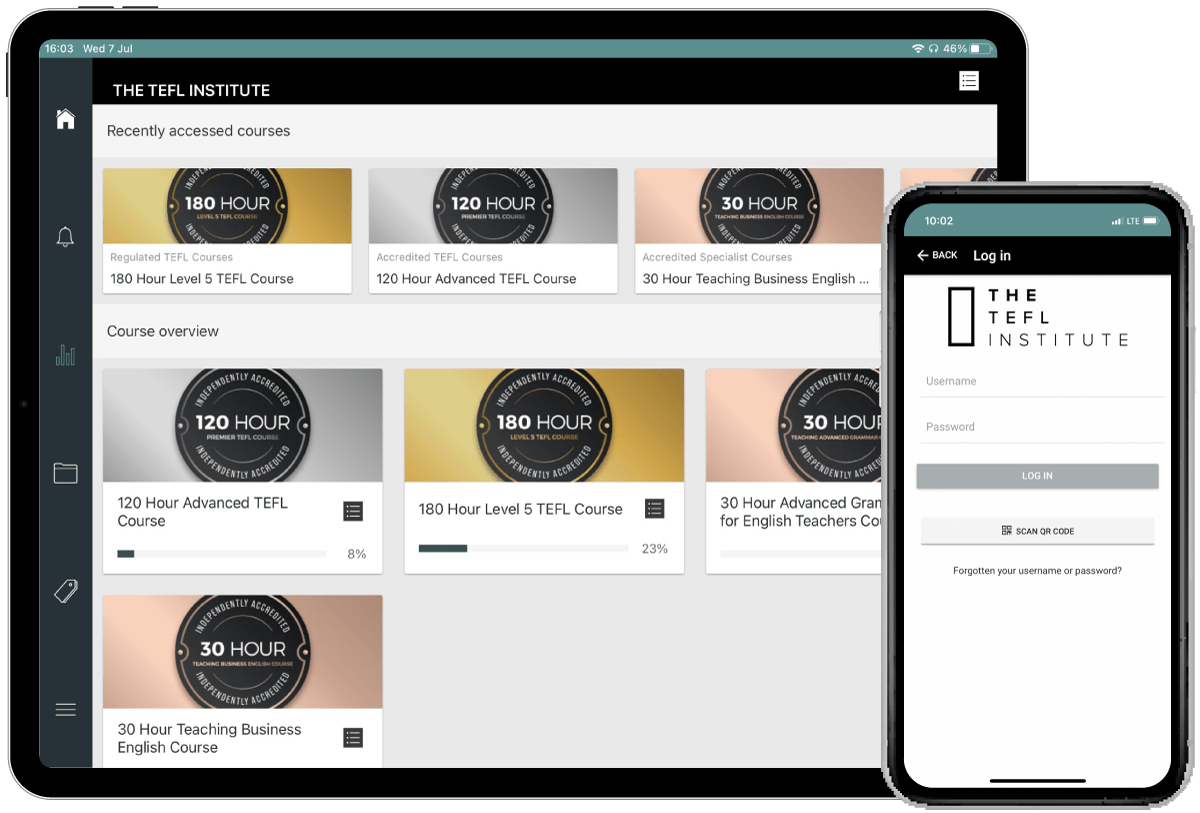
All courses are accessed via The TEFL Institute’s online learning platform, supported by a robust mobile app for Android and iOS. The digital platform is designed to accommodate flexible, self-paced progression, with lessons delivered through video, interactive activities, scenario-based case studies, and self-marked quizzes. For higher-level courses, particularly Level 5 diplomas and internships, students are assigned tutors or mentors for assignment feedback and support with course queries.
A significant feature of The TEFL Institute’s curriculum is the attempt to blend the convenience of online study with elements of instructor feedback and peer interaction. For example, Level 5 students may receive assignment comments, and internship participants benefit from in-country guidance. However, like most online-first TEFL providers, there is currently no compulsory component of observed teaching practice (OTP) with real learners. Some employers, especially for in-person jobs in regulated educational sectors, may still require OTP or in-class practicum as a hiring condition. Prospective students should weigh whether their target job market values in-person training or if the self-paced, mentor-supported format suits their learning style.
For practical guidance, candidates should:
- Assess the minimum qualification level required by their target employers or countries. For example, many online schools accept a 120-hour certificate, but competitive private schools or government programs may require a Level 5 diploma.
- Consider specialization modules if interested in niche teaching areas (e.g., business English, young learners, or exam prep), as these can enhance employability in certain markets.
- Factor in personal learning preferences: self-motivated learners will thrive, while those needing live classroom interaction or peer networking should consider supplementary in-person workshops or classroom-based programs.
Accreditation & Recognition: What Their Certification Means for Employability
In the global TEFL industry, accreditation and recognition are critical differentiators between reputable providers and those offering less credible certification. The TEFL Institute devotes substantial resources to external regulation and third-party validation, aiming to assure employers and graduates of its course legitimacy.
The key aspects of their accreditation include:
- Ofqual Regulation: The 180-hour Level 5 Diploma and 300-hour Level 5 Advanced Diploma are regulated by the UK’s Office of Qualifications and Examinations Regulation (Ofqual). This government oversight ensures that course content, assessment criteria, and provider processes meet rigorous, independently verified standards. Ofqual regulation is widely recognized by employers in the UK, EU, and increasingly in countries that value internationally benchmarked qualifications. It also helps graduates explain or document their credentials for visa applications or further study.
- Highfield Qualifications Accreditation: Highfield is a respected UK awarding body specializing in vocational education. Highfield’s endorsement and direct involvement as the certifying organization for Ofqual-regulated courses provide an extra layer of quality assurance. This is a valuable talking point for job seekers and can streamline recognition with overseas employers or educational authorities.
- DEAC Approval (US): The Distance Education Accrediting Commission is recognized by the US Department of Education and accredits distance learning providers. While TEFL Institute’s courses are described as “DEAC-approved,” it is important for candidates to clarify whether the approval is full accreditation or a recognition of course alignment. Nevertheless, any link with DEAC can be advantageous for those targeting American employers, especially in online teaching roles.
Accredited status signals to employers that the course follows established content and assessment standards, distinguishes graduates from those with unregulated or “instant” certificates, and provides a pathway to further study or professional advancement. Many reputable TEFL employers, especially in Europe, the Middle East, and leading online tutoring companies, now specify “Level 5,” “Ofqual-regulated,” or “externally accredited” as a minimum requirement.
It is worth noting, however, that the TEFL marketplace remains fragmented. A minority of employers, particularly in Western Europe or highly regulated sectors, may still require an in-person teaching practicum or a university-affiliated TEFL qualification. Some government programs (e.g., public schools in South Korea or the Middle East) may have their own accepted provider lists or require additional documentation. In these cases, prospective teachers should review job requirements carefully and, if necessary, supplement their studies with observed teaching practice or relevant in-class experience.
For most international and online teaching roles, however, a Level 5, Ofqual-regulated qualification from The TEFL Institute is likely to be accepted, especially when paired with robust job search support.
Pricing & Value: How The TEFL Institute Compares
Course pricing is a central concern for most TEFL trainees, given the wide disparity in costs across providers. The TEFL Institute’s pricing is positioned as mid-range among online TEFL providers, reflecting the value of external accreditation and comprehensive support features.
- 120-Hour Advanced TEFL Course: Priced at a level accessible to most students, this entry point is comparable to other established online TEFL providers. It is suitable for those who need a basic credential quickly and affordably, particularly for online roles or countries with minimal requirements.
- 180-Hour Level 5 Diploma: The cost is competitive with other Ofqual-regulated providers. It offers an attractive alternative to in-person or university-based courses, which can be several times more expensive. The Level 5 diploma is often seen as a “best value” for those seeking a serious, externally recognized credential.
- 300-Hour Level 5 Advanced Diploma: This is priced higher due to its extended curriculum and specialization modules, but it still undercuts most in-person TEFL courses. The additional hours can be a worthwhile investment for those seeking to differentiate themselves in the job market or pursue specialized teaching roles.
- Teach English in Vietnam Internship: The bundled fee covers both the TEFL training and the supervised in-country internship, including support with housing and job placement. While the upfront cost is higher, it offers value through the combined training and guaranteed pathway into teaching, which can be appealing for first-time teachers or those nervous about independent job hunts.
The inclusion of a 14-day money-back guarantee provides reassurance, giving prospective students an opportunity to review course content and support before fully committing. However, it is vital to review the fine print on eligibility, as refunds are often subject to conditions such as course progress limits or administrative deductions.
In terms of value, The TEFL Institute’s combination of regulated qualification, mobile-friendly platform, and ongoing career services justifies the cost for many candidates. Lower-cost TEFL certificates are widely available but often lack external validation, meaning graduates may face additional barriers in the job market or need to “upgrade” their qualification later. Conversely, in-person or university-affiliated courses may offer greater practical training and networking but at a significantly higher cost and with less flexibility.
Practical advice for prospective students:
- Compare the minimum qualification required by your target job market to avoid “overpaying” for a credential not needed for your first job.
- Assess the value of bundled internship programs if you want a direct and supported route into paid teaching, especially in unfamiliar destinations.
- Factor in the importance of flexibility, support, and accreditation when weighing cost versus value.
Job Support & Career Outcomes
For many prospective TEFL teachers, certification is a means to an end: meaningful employment, whether abroad or online. Recognizing this, The TEFL Institute offers a suite of job support services intended to help graduates bridge the gap between study and employment in a sometimes opaque global market.
Key career support features include:
- Personal mentorship: Each student can access qualified advisors for guidance on CV/resume preparation, adapting applications for different international contexts, and preparing for interviews. This individualized support is valuable for new entrants to the field who may be unfamiliar with TEFL industry expectations or local hiring practices.
- AI-powered job exploration tools: The TEFL Institute advertises the use of artificial intelligence to match graduates with relevant job opportunities, analyze market trends, and suggest roles based on skills, preferences, or teaching goals. While the exact functionality and track record of these tools can vary, they represent a modern approach to streamlining the job search and providing targeted leads, which can otherwise be overwhelming for newly qualified teachers.
- Internship and placement programs: The structured Vietnam internship (and any similar future programs) bundles training with guaranteed placement, housing support, and local orientation. For candidates anxious about finding their first job or navigating a foreign job market, such programs reduce risk and provide a ready-made support network.
- Exclusive job boards and partner schools: While specific partnerships change over time, The TEFL Institute maintains a curated list of TEFL job opportunities from employers who recognize and accept their qualifications. Access to vetted listings can help candidates avoid scams or poorly regulated employers, which remain a risk in some parts of the TEFL industry.
The provider’s reported job placement rate of over 85% is at the high end of industry norms, though as with most TEFL providers, such figures should be viewed as indicative rather than guaranteed. Individual outcomes depend on a multitude of factors, including a candidate’s citizenship, degree status, willingness to relocate, and flexibility regarding teaching context (in-person vs. online, adults vs. children, etc.).
It is important to note that while job support is comprehensive, no course provider can guarantee universal job placement. Some regions and employers maintain strict eligibility requirements unrelated to the TEFL certificate itself, such as a bachelor’s degree, native English proficiency, or previous teaching experience. Additionally, the current focus of internship placements on Vietnam may limit options for those targeting other regions, though The TEFL Institute may expand offerings in the future as demand evolves.
For best results, prospective students should:
- Assess their own flexibility regarding destination, contract type (in-person or online), and target learner population.
- Take full advantage of mentorship, CV review, and job search resources, adjusting documents and applications to suit the expectations of local employers.
- Remain proactive: use the job board and AI tools as starting points, but also research independently and network with current teachers for insider perspectives.
Pros and Cons
-
Strengths:
- Government-regulated, Ofqual Level 5 qualifications: These credentials are widely recognized by employers, visa authorities, and educational institutions in the UK, EU, and increasingly worldwide. They provide a clear benchmark of quality and can set graduates apart in competitive job markets.
- Dual UK and US accreditation: Accreditation by both Highfield Qualifications and DEAC means the certification is broadly recognized, appealing to employers in both British and American hiring contexts, as well as global online teaching platforms.
- Comprehensive course suite: From foundational 120-hour certificates to advanced, specialized diplomas, the course range supports both newcomers and experienced teachers seeking career progression or niche roles.
- Mobile-friendly study platform: The proprietary app and responsive online platform allow for convenient, flexible study, which is particularly valuable for working professionals, international students, or those in remote locations.
- Personal mentorship and career support: Ongoing, individualized guidance for job applications, interviews, and career planning, as well as access to modern AI-powered job search tools, help to demystify the job market.
- Internship placements: Programs like the Vietnam internship offer a direct, supported route from certification to employment, addressing one of the main pain points for new teachers.
- Competitive pricing for regulated qualifications: The combination of accreditation, support, and affordable pricing delivers strong value compared to both unregulated online courses and more expensive in-person programs.
- Money-back guarantee: A 14-day refund policy offers a risk-mitigation window for students to assess fit and course quality before fully committing.
-
Considerations:
- No in-person teaching practice: The absence of observed teaching practicum with real learners may limit employability in some regions or with particular schools that require hands-on classroom experience as a hiring prerequisite.
- Self-paced nature may not suit everyone: Independent, motivated learners generally excel, but those who prefer structured classroom environments, real-time feedback, or peer networking may feel isolated.
- Job placement not universally guaranteed: Despite comprehensive support, ultimate job outcomes depend on the individual’s background, willingness to relocate or teach online, and prevailing market conditions.
- Internship opportunities region-limited: Presently, the flagship internship is focused on Vietnam, meaning candidates targeting other destinations may need to secure their own placements or seek alternative providers.
- Limited details on AI job tools: While promoted as a modern support feature, public information on the effectiveness, breadth, and proven outcomes of the AI-powered job search tools remains limited.
- Course content depth may vary: Like many online TEFL programs, certain practical classroom management or teaching skills may only be fully developed once in an actual teaching environment.
- Refund policy restrictions: The 14-day money-back guarantee has terms and conditions that prospective students should review closely to avoid misunderstandings.
Who Should Choose The TEFL Institute? Verdict and Recommendation
The TEFL Institute stands out as a robust and credible option for those seeking an accredited, internationally recognized TEFL qualification delivered in a flexible online format. Its regulated Level 5 diplomas, dual UK/US accreditation, and strong job support infrastructure position graduates well for a range of teaching opportunities, particularly in the fast-growing online education market and in regions with moderate to high demand for English teachers.
Ideal candidates include:
- Individuals seeking formal accreditation: Those who value government regulation and third-party validation as protection against unrecognized or questionable certifications.
- Career changers and graduates: People looking for a practical, online pathway into English teaching, especially if balancing other commitments or seeking to enter the workforce quickly.
- Professionals targeting online teaching: With increasingly high standards among online schools, a Level 5 diploma from a recognized provider, plus job search support, can be a distinct advantage.
- Those seeking a supported transition: Candidates who value structured internships, job placement assistance, and ongoing mentorship to ease the leap into international teaching.
Candidates who might look elsewhere include those prioritizing in-person training, peer interaction, or observed teaching practice as essential for their professional development or required by their target employer. Some competitive international destinations and prestigious schools may still require university-based or classroom-format TEFL with a practicum component. Additionally, those seeking internships or job placement in countries beyond Vietnam should confirm the availability of placement options or prepare to conduct their job search independently.
In summary, The TEFL Institute’s blend of affordability, regulated qualifications, and robust job support makes it a reputable and practical choice for most aspiring TEFL teachers. While it cannot guarantee employment everywhere or provide in-person teaching experience, its credentials are widely accepted and its platform supports a smooth transition into the field for self-motivated learners. Prospective students should reflect on their own learning preferences, career ambitions, and the requirements of their target job markets to ensure an optimal fit.
To compare The TEFL Institute with other leading TEFL course providers or to explore additional accredited options, browse our independent catalog of TEFL course providers at iqtefl.com.
The TEFL Institute Course Prices
| Course / package | Price |
|---|---|
| 120-Hour Advanced TEFL Course | £155.00 |
| 180-Hour Level 5 TEFL Diploma | £225.00 |
| 300-Hour Level 5 TEFL Diploma (Advanced) | £325.00 |
| Teach English in Vietnam Internship | £429.00 |
Prices are indicative, based on the provider's published data, and may change. Please confirm current pricing on the course website.
The TEFL Institute Highlights
The TEFL Institute Contacts
10% Discount on The TEFL Institute Courses
Submit a request and we'll send you a 10% discount code from IQ TEFL Academy for this provider.
The TEFL Institute Reviews
Fair enough for the price. The material was useful and I passed without too much trouble, but don't expect a lot of hand-holding — you need to be self-motivated.