

Your First Week Teaching English Abroad - What New Teachers Should Expect
Arriving in Your New Country - Navigating the Transition
When you step off the plane, everything just smells and feels different. Honestly, I still laugh about stumbling into Kansai International in Osaka for the first time: the humidity was a smack in the face, and the airport staff moved with this calm efficiency that made my suitcase-juggling look even messier by comparison. Plus, I’d packed three umbrellas but somehow left out socks. Typical. For loads of new English teachers, the journey from the airport to wherever you’ll be living is a jumble of strange street noises, baffling signs, and that tiny jolt of panic when you realise you can’t quite remember how to ask, “Where’s the bus stop?” in the local language. But here’s the good news - every single teacher I’ve helped at IQ TEFL Academy has made it from baggage claim to their first accommodation. Sometimes with a little extra adventure thrown in. Those first few days? You’ll be buried in practical stuff: meeting with your school’s contact, struggling to set up a SIM card, opening a bank account (bring all your paperwork, trust me, and a truckload of patience), and figuring out which bins are for recycling (it’s never as obvious as you’d hope). Here are some things that really help with a smoother arrival:- Make photocopies of everything important before you leave (passport, visa, contract, TEFL certificate - you name it)
- Pick up a few must-know phrases (“Where is…?”, “How much is the bus?”, “I am a teacher” always gets a smile)
- Ask your school if they can organise airport pick-up or at least a few nights’ accommodation
- Download maps and translation apps ahead of time, and set them up for offline use
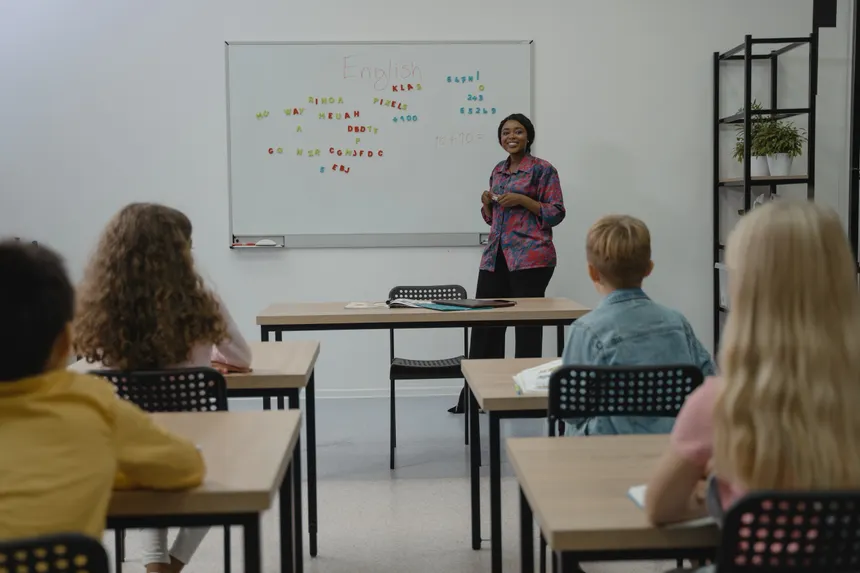
Pro Tip: Hold off on completely unpacking your bags. Get out and poke around the area first. Only haul out what you actually need. Saves on clutter, and, to be fair, you’ll probably find you need a quick run to the shop anyway.
You’ll deal with jet lag, maybe a little homesickness sneaking in, and that background worry about how your first school day will go. You’re not the only one, though - most schools know you’ll need a bit of time to settle, and your new colleagues have seen the “just landed” face before.
Understanding Your School and Student Expectations
So, you made it through night one (maybe on a mattress that’s rock hard, maybe with a surprise visit from a local bug). Next up is orientation at your school. How this goes depends a lot on the country and the school, but there are always some familiar threads. You’ll get a tour, be introduced to the principal (probably with a handshake or a bow), and then stare at a class schedule that seems trickier than the Tokyo subway map. Sometimes you get a welcome lunch. Some schools offer a week of shadowing or letting you watch other teachers, while others just plop you in a classroom and say, “Go on, good luck.” I once had a head teacher in Hiroshima hand me a pile of textbooks and say, “You start now. Good luck!” Not exactly gentle, but, well, I made it. Here’s what tends to be included in your orientation:- A tour of the school (you’d think finding the toilets would be easier, but nope)
- Introductions to all the staff, sometimes with an impressively formal handshake or bow
- Explanation of your teaching schedule and responsibilities
- Briefing on school policies - attendance, what to wear, discipline, all that
- How to do lesson planning, plus what resources are available
- Health and safety basics (fire exits, emergency numbers, what to do if you get sick)
Classroom Management Approaches Compared Across Asia and Europe
This is where you really notice how culture shapes the classroom. What works a treat in Seoul might totally bomb in Prague. To be fair, I learned this the hard way while teaching a wild group of 10-year-olds in Busan - just giving them “the look” and waiting silently? Weirdly effective. But at a summer camp in Italy, only shouting instructions and clapping hands kept anyone’s attention. Complete opposite. Let’s look at how things usually go:| Region | Common Discipline Methods | Teacher-Student Dynamic |
|---|---|---|
| East Asia (Japan, Korea, China) | Respect for authority, indirect correction, group responsibility | Formal, teacher-led, students rarely challenge authority |
| Southeast Asia (Vietnam, Thailand) | Gentle reminders, emphasis on saving face, praise and encouragement | Respectful but more relaxed, teachers seen as role models |
| Central/Eastern Europe (Poland, Hungary) | Open discussion, direct feedback, collaborative activities | More informal, students may question or challenge respectfully |
| Southern Europe (Spain, Italy) | Expressive communication, humour, group dynamics | Friendly, sometimes chaotic, students enjoy personal connection |
Lesson Planning and Teaching Your First Classes - What Works
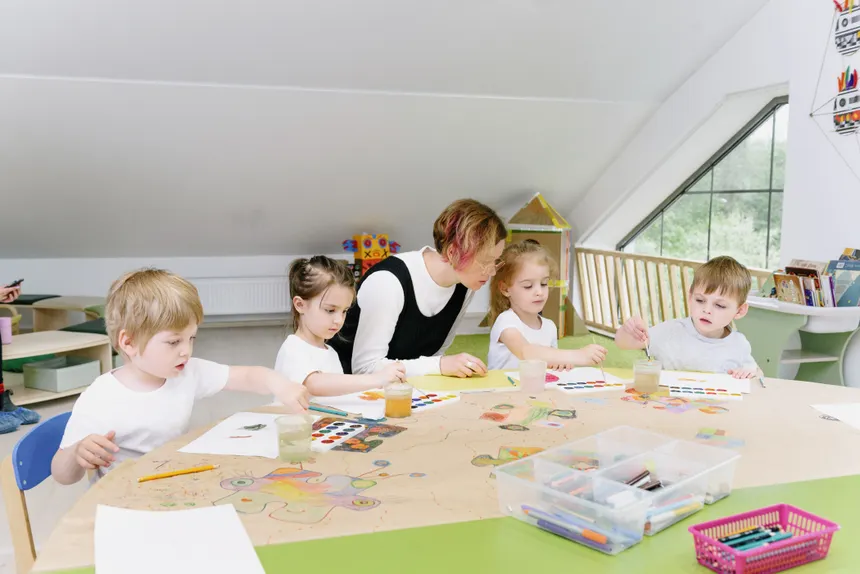
This is the bit that keeps lots of us teachers up on Sunday nights. Maybe you get a curriculum, probably a textbook, if you’re lucky a class list. But what are you actually supposed to do for 45 minutes, especially when half your students are silent and the other half can’t stop asking, “Teacher, can I go toilet?” Based on what I’ve seen (and, honestly, messed up myself):- Stick to simple lessons for your first classes - introductions, easy games, basic conversation
- Always plan extra activities. Some classes whip through everything so fast, you’ll be shocked
- Use whatever visuals or props you can get your hands on (draw on the board, make flashcards, grab real objects if possible)
- Be ready to swap plans if something just isn’t working. Move on and try the next thing
- Wrap up every lesson with a recap or little reflection game

Pro Tip: Over-plan. Seriously, bring more than you think you’ll need. Some students zip through everything, others take their time. Have a quick five-minute backup - I like “Two Truths and a Lie” or a simple drawing challenge.
If you enrol in our TEFL programmes, we’ll give you sample lesson plans made for those first-week nerves. If you’re with younger students, songs and TPR (Total Physical Response) can work like magic. With older students, find out what they love - whether that’s K-pop, football, or whatever’s trending.
And if your lesson totally derails? Laugh it off, gently put things back on track, and try again the next day. Surviving is the goal at first, not perfection.
Cultural Surprises and How to Embrace Them
You’re going to run into things nobody warned you about. Once in Japan, I managed to accidentally insult a parent by writing their child’s name in red ink (I had no idea that’s for the deceased). In Hungary, students called me “Miss” (just “Miss” - apparently it sounded like something from a movie). Here’s the thing: culture shock isn’t a one-and-done deal - it pops up again and again, sometimes when you least expect it. Maybe it’s the food (chicken feet in South Korea is not for the faint-hearted), maybe it’s endless paperwork, or maybe it’s just realising you’re the only one who queues at the bus stop. Some of the usual challenges:- Confusion over timing (does “8:00” mean exactly or just “around 8:00”?)
- Sudden surprise holidays or schedule changes
- Different takes on punctuality, hierarchy, or giving feedback
- Unfamiliar customs in the staffroom - tea ceremonies, shared lunches, those communal slippers (which usually never fit anyone’s feet properly, by the way)
Pro Tip: Don’t just guess. If you’re stumped about something, ask a colleague or a helpful student. People usually like explaining these things (and appreciate that you care enough to ask).
Non-native English teachers sometimes face a few more questions about their background, accent or why they’re there. Use those chats to share your own journey and show how English comes from all sorts of places. Remember, it’s a global language - your story is valuable, not something to hide."The best teachers aren’t those who avoid mistakes, but those who learn quickly, adapt, and show respect for local traditions. Students and staff remember your good humour and openness long after your grammar explanations are forgotten."
- Marta Horváth, Senior Trainer, IQ TEFL Academy
Building Relationships with Colleagues and Local Community
Don’t think networking is just for folks in formal business meetings. Your first week is when you start making the real connections that’ll shape your whole experience. Some of my closest friends were fellow teachers who helped me tough out my first freezing winter in Sapporo (pro tip: heated socks are a lifesaver). Jump into staffroom chats, even if you’re only catching every other word. Say yes to coffee or lunch, even if you feel like hiding at first. Show up at school events and ask questions. In my experience, most colleagues are happy to help a newcomer get their bearings.Here’s how I’d get started:"Successful teachers abroad are those who make themselves part of the school community. Don’t just go home at 4:00pm - say yes to the karaoke night or the football match. You’ll be surprised how quickly you feel at home."
- David Kim, Teacher Placement Advisor, IQ TEFL Academy
- Find a friendly “buddy” teacher for all your panicked questions
- Check out local festivals, markets, and neighbourhood events
- Look for language exchange groups or join a community class
- Put your hand up for extra school activities (sports day, culture week, trips)
- Make an effort with a few words in the local language
Expert Insights - Top Challenges and How to Overcome Them
So what trips up new English teachers the most in week one? At IQ TEFL Academy, we get feedback from hundreds of teachers each year. Here’s what comes up again and again:- About 69% of new teachers find classroom management tough at first
- Almost half (48%) say lesson planning is a struggle in their first two weeks
- Nearly 30% feel lonely in week one, especially out in the countryside
- More than 60% land in at least one awkward spot thanks to culture clashes
- Ask for help early on - don’t wait until you’re totally overwhelmed
- Watch other teachers, even if it’s just for a quick 10 minutes
- Keep a simple journal or log to track what’s working (and what, well, isn’t)
If you’re a non-native English speaker, you might feel like you’ve got to “prove” yourself extra hard. But, honestly, your language skills and international background are a big plus - students get to see that English isn’t just for one country or accent."Every teacher will face a moment where nothing goes to plan. The key isn’t to avoid mistakes but to reflect, adapt, and try again. Remember, your first week abroad is just the beginning."
- Emily Richards, TEFL Programme Director
Taking the Next Step - Preparing for a Successful TEFL Experience
At this point, you’re probably feeling a cocktail of nerves and excitement. That’s totally normal. Your first week will be a whirlwind. Loads of new faces, a few curve balls, and - not to be underestimated - some happy surprises (like hunting down the best bakery or making it through your first solo lesson). If you want to give yourself the best shot, do some prep. TEFL certification with IQ TEFL Academy goes past just classroom theory - it connects you to mentors, shares practical lessons, and gives advice for teachers from just about every background.
Pro Tip: Before boarding that flight, try to connect with other teachers already working where you’re headed - alumni groups and forums are gold. Ask about the little things, like what nobody tells you to pack, where to live, or local quirks. You’ll land feeling a lot more ready.
Some tips to make week one count:
- If you can, arrive a few days early to settle in (and recover from jet lag!)
- Bring a small gift from home for your school staffroom - it’s a good icebreaker
- Get to know your school’s rules, curriculum, and any policies before day one
- Reach out to our teaching team for advice and support
- Review those TEFL certification notes and example lessons
