

Why Poland is Experiencing a Boom in English Language Learning
Honestly, it's tricky to put into words just how fast English fever has swept across Poland in the past ten years or so. Back when I first stepped into a classroom in Warsaw in 2007, English definitely mattered, but it wasn’t something everyone was obsessing over. Fast forward to now and you’ll spot English just about everywhere - it pops up in adverts, blares from the radio, and you can even hear teenagers in cafés tossing English phrases around like it's the latest trend. Makes me smile every time. But what’s really fuelling this boom? It’s not just your typical “English is the global language” stuff. Sure, that plays a part, but there’s more to the story. Take Poland’s economy - it’s been one of the powerhouses in Central Europe for a while now. Loads of multinationals have settled in cities like Kraków, Wrocław, and Warsaw. Suddenly, speaking English isn’t just a bonus - it’s pretty much your ticket to a good job, a promotion, or even just finding work at all. And let’s talk about education reform for a moment (something teachers always chat about in staffrooms). Over recent years, English became a must at both primary and secondary levels, and there’s huge pressure on schools to deliver solid results. Private language schools have popped up everywhere to keep up with all the afterschool and adult demand. Long story short? These days, you’ll see more job ads for English teachers than you’d think possible.- Joining the EU made travelling and working abroad loads easier, so plenty of Poles brush up their English to keep their job options open.
- Foreign investment is pouring in, especially around IT and business jobs, so fluency in English has become a massive plus.
- Parents see English as essential - not just for boosting their kids’ chances at school, but as a point of pride too.
- Universities in Poland are offering more courses in English, so students have to level up their skills.
- Remote and hybrid work have made jobs with international companies way more available - and those companies expect people to communicate confidently in English.

Types of English Teaching Jobs Available in Poland
When people talk about teaching English in Poland, they usually imagine a classroom full of young kids in a state school. That definitely exists - but the real picture is much more varied (and, let’s be honest, a bit of a free-for-all at times, in a fun way). Here are the main job types:- Public primary and secondary schools - You’ll be following a set curriculum, teaching larger groups, and dealing with students at all kinds of language stages. Steady pay, but don’t expect to get rich.
- Private language schools (szkoły językowe) - These are absolutely everywhere. You might find yourself teaching kids, teenagers, adults, or even business professionals. Hours can be unusual (lots of classes in the evenings or at weekends), but the pay's usually a bit better than in public schools.
- International schools - In the bigger cities, international schools offer IB or British-style education. Wages here are way higher, but jobs are much harder to land - you’ll need a full teaching qualification, not just TEFL.
- Universities and colleges - Mostly in larger towns, often part-time or on short-term contracts. They’ll want at least a BA, but honestly, an MA and some teaching experience help a lot.
- Corporate/business English - Companies either work with language schools or hire freelancers to deliver lessons to their staff. Usually at the office, before or after regular working hours.
- Private tutoring - Loads of teachers boost their income this way. Word of mouth is everything; after a bit, the requests just keep coming, trust me.
- Online teaching - Since the pandemic, this has really blown up. Polish schools and international platforms are always looking for remote teachers now, both for groups and 1-to-1 sessions.
TEFL Certification Requirements for Teaching in Poland
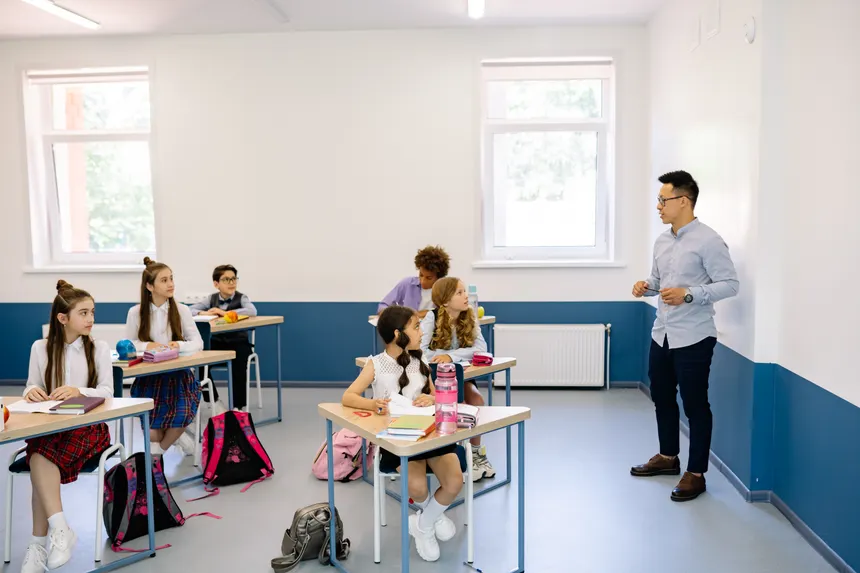
This is where some non-native teachers get a bit nervous, but let’s not make it more complicated than it is. Officially, if you want to work at a public school in Poland, you need a BA and a recognised teaching qualification. For language schools or private gigs, a TEFL certificate (120 hours is the sweet spot) is what most employers want. But in reality, Polish schools can be flexible - especially if you’re not based in Warsaw. Here’s what recruiters usually want to see:- TEFL certificate (aim for at least 120 hours, with some real teaching practice if possible)
- A uni degree (any subject usually works for private schools, but English or Education is best for public ones)
- Experience with different ages helps a lot
- Very good spoken English and clear pronunciation - you don’t have to be a native, but you should sound confident and easy to understand
- EU passport or another way to legally work in Poland (for non-EU teachers, visas are sometimes provided, but not always)
- References or a short demo lesson - more and more popular with the better schools
Pro Tip: If you’re a non-native English teacher, don’t be shy about pointing out how you mastered English yourself. Schools love hearing from teachers who know the learner’s perspective.
When I made the jump from Warsaw to London, I realised just how much my own struggles helped me explain things to students back home. So don’t try to hide your story - Polish parents and students actually appreciate teachers who “get it” and who can break down tricky grammar in Polish if needed.
Still not sure which qualification route to take? Check out our TEFL programmes or have a look at course fees and pricing for more info. One thing: good schools really do check certificates, so don’t bother with dodgy “fast-track” online courses. If it looks too easy, it probably is.
Comparing Teaching English in Poland with Other European Countries
So, how does it compare? What’s it really like next to Spain, Germany, or the Czech Republic? Is it all easy jobs and amazing food, or are there some downsides? Here’s what I’ve picked up along the way (and a few stories from teacher friends dotted around Europe).| Country | Typical Salary (monthly, net) | Work Environment | Cost of Living | Demand for Teachers |
|---|---|---|---|---|
| Poland | 4,000-7,000 PLN (£750 - £1,300) | Flexible; lots of evening/weekend work, mixed ages | Moderate (Warsaw, Kraków higher) | Very high, especially outside big cities |
| Spain | 1,000 - 1,400 EUR (£850 - £1,200) | Mostly young learners, summer camps, some public schools | High in Madrid/Barcelona, lower in smaller towns | High, but competitive |
| Germany | 1,200 - 2,000 EUR (£1,000 - £1,700) | Business English dominates, strict requirements | High | Moderate (visa hurdles for non-EU) |
| Czech Republic | 25,000 - 35,000 CZK (£850 - £1,200) | Language schools, private lessons, business classes | Lower than Western Europe | High, but salaries lower than Poland |
Challenges and Rewards of Teaching English in Poland
Let’s be real, nowhere’s perfect - Poland has its own quirks. The first class I ever taught with teens in Łódź gave me the kind of silent treatment that made the London tube seem lively. There’s a kind of cultural reserve, especially with older students, and breaking through that can take a bit of patience. You might run into these:- Bureaucracy - All the paperwork for contracts, visas, taxes - honestly, it’s confusing at first.
- Unpredictable schedules - Evening and weekend classes are just normal, especially at smaller private schools.
- Getting past those first barriers - Poles might seem a bit distant at first, but once they trust you, they stick with you for years.
- Late wages - Some tiny schools are slow to pay, so always check online reviews and chat with current teachers before signing anything.
- Old-school grammar expectations - Some students may still expect you to teach using heavy grammar-translation methods. You might need to explain why your approach is different (and better, in my experience).
Pro Tip: Before you arrive, learn a couple of basic Polish phrases. Even a simple “Dzień dobry” or “Dziękuję” does wonders in the staffroom.
"Poland’s English teaching market is refreshingly open to skilled non-native teachers. If you’re qualified, committed, and able to connect with your students, you’ll find opportunities here that would be closed to you elsewhere in Europe."
- Anna Nowak, Director of Studies, Kraków Language Centre
Living in Poland as an English Teacher: What to Expect
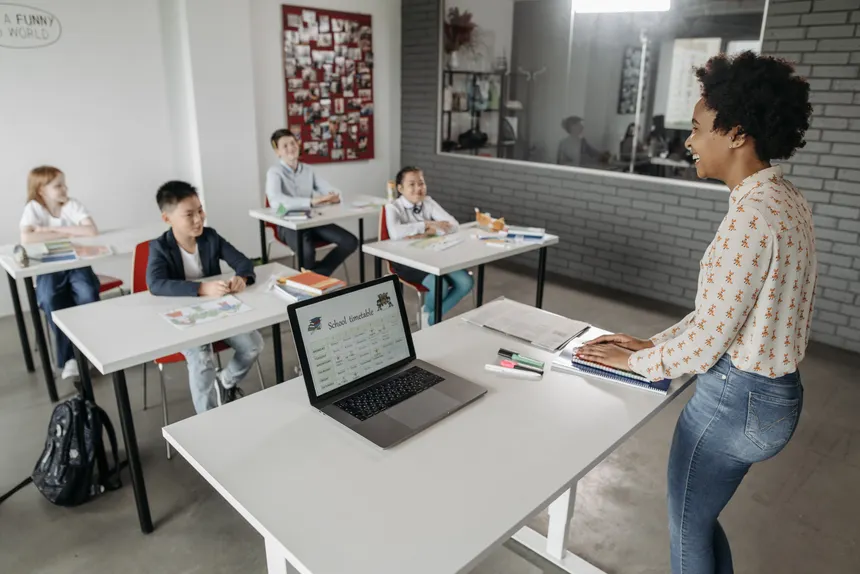
Poland is, I’d say, both familiar and full of surprises if you’re used to Western Europe. Warsaw’s skyline has glass towers and all the modern trimmings, but take a short walk and you’ll come across old cobblestones and 19th-century houses. Living costs are still one of Poland’s best features. Rent is cheaper than in most places west of here, though I’ll admit, Warsaw and Kraków are catching up pretty quickly these days. Groceries, public transport, and eating out are all still affordable, especially if you’re not in a capital city.- Accommodation: Most teachers share flats (rooms usually cost 1,500 - 2,500 PLN/month). Studios start around 2,500 PLN. Loads of schools help you find a place (well, the good ones do).
- Transport: Super reliable, super cheap. Trams, buses, and trains run like clockwork. A monthly city pass will set you back 120 - 150 PLN.
- Food: Local markets are great. Grocery shopping is easy, and grabbing a meal out (especially at a classic milk bar) won’t leave your wallet empty.
- Culture: Poles are pretty proud of their traditions. National holidays, old-school food, and neighbourhood festivals are well worth getting involved in.
- Social life: It’s easier than you’d think to meet other expats, especially at language exchange nights or on Facebook. Poles aren’t shy about inviting you for coffee or a beer, either.
Pro Tip: Local apps will save you time (and hassle). Use “OLX” for finding flats, “Jakdojade” for getting around, and “Pyszne” for takeaway - trust me, they’re essential.
Expert Insights: Poland’s Evolving TEFL Market
So what’s really changing in the Polish TEFL world right now? For starters, there are dozens more language schools than even a few years ago. According to the most up-to-date numbers, there are over 6,000 registered language schools out there - that’s not even counting all the private tutors and online lessons going on. The idea of the “perfect” teacher is shifting too. These days, schools want teachers who can handle a class with confidence, run lessons online with ease, and get students exam-ready (think Cambridge First, IELTS, or the Polish Matura). The need for business English is growing fast, particularly in the big three: Warsaw, Gdańsk, and Wrocław.A few things might surprise you:"We’re seeing a shift towards blended learning, with schools expecting teachers to handle both face-to-face and online lessons. Teachers who can adapt to new technologies and methodologies are in high demand."
- Marta Szymańska, Academic Manager, Warsaw English Academy
- Poland ranked third in Central & Eastern Europe on the 2023 EF English Proficiency Index, but companies are still searching for people who can speak English well in real-life conversations.
- Over 80% of teenagers now study English as their main foreign language at school.
- From IQ TEFL Academy enrolment data: more than 40% of our graduates found work in Poland within three months of finishing their course. Not bad, right?
How to Start Your TEFL Career in Poland Today
So, eyeing up those job ads from Warsaw or Gdańsk? Here’s how you can make a strong start (and dodge a few beginner mistakes).- Get your qualification sorted. The 120-hour TEFL course (with a bit of teaching practice) is still your golden ticket. See our TEFL programmes for more options.
- Update your CV. Include any experience with teaching, tutoring, or languages. If you’re non-native, definitely mention what you know about learning English - Polish learners relate to that.
- Start job-hunting early. The main hiring waves are in September and January. Try school websites, Polish job portals, and expat Facebook groups (but double-check anything that seems suspiciously good).
- Speak to teachers who are already there. Reach out to our team or alumni for honest tips about schools and cities.
- Practise for interviews. You’ll probably have to give a short demo lesson (sometimes online). Be ready to explain how you teach - and why it works, especially for Polish students.
- Get your documents in order. Not from the EU? Some schools will sponsor a visa, but make sure it’s clear before signing. EU citizens just register locally and that’s it.
- Book your flight (and maybe a short Polish course). Arrive early so you can sort a bank account, find your feet, and settle in before you start work.
Pro Tip: Don’t stress if your first job isn’t perfect. Most teachers begin with part-time or awkward split shifts, then land a better contract once they’ve shown what they can do.
You really don’t need to be a native or have a fancy accent or spend a fortune relocating. What you DO need is a solid qualification, a positive attitude, and the nerve to face a class full of eager (and, okay, sometimes very quiet) students. If you’re ready to join the ranks of teachers genuinely making a difference across Poland, get in touch and let’s see where this journey might lead you."The teachers who thrive here are the ones who adapt quickly, build relationships with their colleagues, and aren’t afraid to try new things. If you’re open-minded and genuinely care about your students, Poland is a fantastic place to teach."
- Tomasz Kowalski, Senior Course Tutor, IQ TEFL Academy
