

Why Teach English in Vietnam in 2026 - Key Benefits and Opportunities
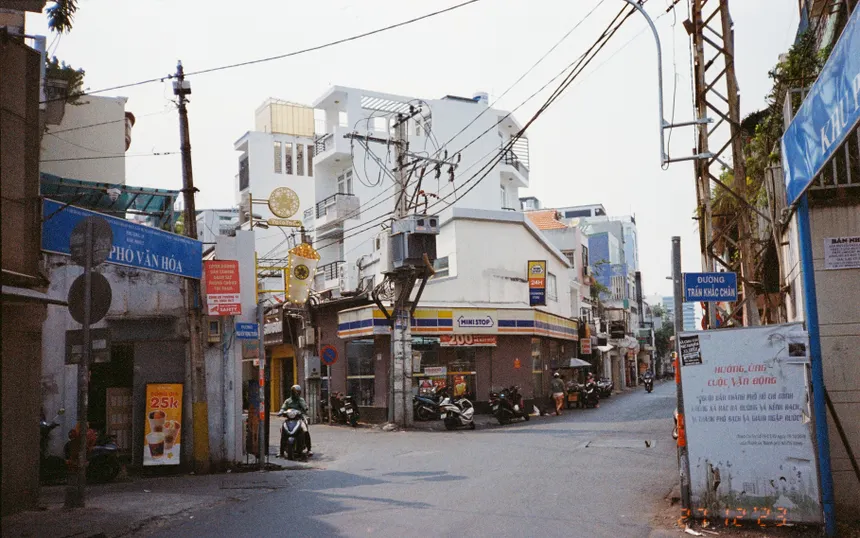
- Loads of job openings in cities like Ho Chi Minh City, Hanoi, and Da Nang
- Wider acceptance of non-native English teachers (if you have the right qualifications, anyway)
- Decent salaries plus low living costs - your pay goes way further than in Thailand or South Korea
- Vibrant culture, incredible street food, and so many travel spots from Ha Long Bay to the Mekong Delta
- Friendly school vibes - you’re not just the “token native speaker”, you’re actually on the team
Vietnam TEFL Requirements for 2026 - Degrees, Visas and Certifications
So what do you actually need to legally teach English in Vietnam in 2026? The basic rules haven’t really changed, but there are a few recent things worth knowing. I spend a lot of time helping non-native teachers figure these out, and it’s true - the rules are tighter than you’ll hear on the expat Facebook groups. Here’s the basic list:- University degree (any subject works, but English or education helps for better jobs)
- TEFL certificate with at least 120 hours (Level 5 is becoming standard at decent schools and international places)
- Clean criminal record check from your country and/or from Vietnam
- Passport with at least a year left on it
- Work permit and business visa (tourist visas are being checked more - schools aren’t taking risks anymore)
Pro Tip: Get your degree and TEFL certificate notarised and authenticated before you travel. Saves you weeks of stress with officials later.
A few more things to keep in mind:
- Non-native English speakers are definitely hired, but you’ll need to show proof of English ability (IELTS/TOEFL, or a degree taught in English)
- Be careful with private language centres - if they want you on a tourist visa, that’s a red flag
- Some schools now ask for demo lesson videos along with your application
Types of English Teaching Jobs in Vietnam - Public, Private and Online

- Public schools: Run by the government, usually primary or secondary. Expect regular hours (mornings and afternoons), massive classes (35+ students isn’t rare), and loads of holidays. The pay is consistent, though a bit lower than private jobs.
- Private language centres: This is where most foreign teachers end up. Smaller classes, teaching in evenings and weekends, lots of focus on speaking. You’ll get paid more than in public schools. Some specialise in IELTS prep, business English, or young kids.
- International schools: Top of the ladder - but also hardest to get into. You’ll need a teaching licence (like a PGCE) and some solid classroom experience. The salary can be double what language centres offer, and the benefits are very good.
- Online teaching: This has exploded recently. You can teach Vietnamese students from anywhere (inside Vietnam or not). Super flexible. Pay is all over the place but is catching up with classroom jobs - especially if you have the right qualifications.
| Sector | Typical Salary (USD/month) | Requirements |
|---|---|---|
| Public School | 1,100 - 1,500 | BA, TEFL, clean police check |
| Language Centre | 1,200 - 2,000 | BA, TEFL (120+ hours), experience preferred |
| International School | 2,200 - 3,500 | BA, teaching licence, 2+ years’ experience |
| Online | 800 - 1,800 | TEFL, stable internet, some platforms require BA |
- Public schools: regular hours, big classes, local teams
- Language centres: better pay, smaller groups, work nights and weekends
- International schools: highest salaries, strict requirements, multicultural staff
- Online: pick your location, flexible hours, more jobs each year
Comparing Vietnam with Other Asian TEFL Destinations
So how does Vietnam compare to places like Thailand, South Korea, or Japan? Every year, I go through this with job seekers. It isn’t just about the money. The cost of living, job stability, and even how open the hiring process is to non-native speakers all matter a lot. When I was teaching in Busan, my shopping bill and rent nearly wiped out my pay each month. In Ho Chi Minh City, I could afford a nice flat and eat out every day on a modest budget. Plus - and this is huge - Vietnam isn’t as strict about “native speakers only” as Korea or Japan, as long as you can really teach and your paperwork is right. Let’s break it down:| Country | Typical Salary (USD/month) | Cost of Living | Non-native Hiring |
|---|---|---|---|
| Vietnam | 1,200 - 2,000 | Low | Good (with TEFL and proficiency) |
| Thailand | 1,000 - 1,500 | Low-medium | Moderate (some restrictions) |
| South Korea | 1,800 - 2,500 | Medium-high | Limited (strict native policy) |
| Japan | 2,000 - 2,800 | High | Limited (strict native policy) |
- Your money stretches further in Vietnam - easier to save or travel on an English teacher’s salary
- Less hassle with hiring if you’re not a native speaker
- Big, active expat communities in all the main cities and tourist spots
- Far fewer horror stories about language schools than you hear in Korea or Japan (well, actually, there ARE stories everywhere - just fewer here in my experience)
How to Find and Secure an English Teaching Job in Vietnam
Job hunting in Vietnam isn’t complicated, but there are a few traps for the unwary. I’ve seen people waste months chasing dodgy recruiters or firing off the same cookie-cutter CV to every school in Hanoi. If you want a job that’s actually worth it, you have to be smart - especially if your passport isn’t from the UK, US, or Australia. Start by hunting down reputable job boards and agencies (shameless plug: IQ TEFL Academy has a job board just for our graduates). If something sounds “too good to be true,” like a huge salary with no proper paperwork, it probably is. Here’s my step-by-step advice:- Write a CV and cover letter that actually fit the job - show off your teaching and TEFL experience
- Collect digital copies of everything (your degree, TEFL, police check, passport, all of it)
- Film a short video introducing yourself - schools love seeing your energy and English up front
- Apply straight to schools and centres, or go through trusted agencies
- Get ready for a video interview - be ready to talk about classroom management and what Vietnamese students are like
- Ask about the visa process first thing. If they can’t explain it clearly, better move on
- Sort your salary and hours before you land. Always get it in writing
Pro Tip: Always ask to chat with a current teacher before you sign a contract. Their honest take is priceless.
Pitfalls? Taking a “trial period” job when you’re on a tourist visa, or thinking you’re too experienced for a demo lesson. In Vietnam, bosses want to see you in action, not just read your CV.
If you’re feeling stuck, our teaching team can look over your documents or even run a practice interview. Sometimes all it takes is a small change to get noticed.
Expert Insights: The 2026 Vietnamese TEFL Landscape

A few things really stand out this year:"Vietnam remains one of Asia’s most dynamic TEFL markets. In 2026, we’re seeing a 15% annual increase in job postings, and non-native English teachers now make up nearly 40% of new hires at reputable centres."
- Linh Tran, Head of Recruitment, HCMC Language Group
- Most qualified teachers are earning around 34 - 45 million VND/month (about $1,350 - $1,800)
- Online teaching pay is up by 23% since 2023, especially if you tutor IELTS or other exam prep
- Over 60% of language centres in Hanoi and Ho Chi Minh City now sponsor visas
- Specialists in teaching young learners are in huge demand
If you’re serious, the expectations are higher, but the rewards are much better. The teachers I see thriving are the ones who specialise (young learners, IELTS, business English, that sort of thing) and keep upskilling. You don’t have to be a native speaker - just a well-qualified and confident one."Schools are becoming more selective - but that’s actually good for teachers who invest in their TEFL and can show real classroom skills. The days of ‘just being a native speaker’ are fading."
- Nguyen Bao, Academic Director, Bright Future English, Hanoi
Thriving as a Non-native English Teacher in Vietnam
Being a non-native English teacher in Vietnam? It’s not the drawback you might think. Actually, it can be a strength. I still remember my Czech colleague in Ho Chi Minh City - she used her own struggles with English to connect to Vietnamese learners. She’d compare tricky pronunciation to Vietnamese sounds, and her classes were always packed. But, let’s be real, it’s not always smooth. Some parents and even a few students might expect you to have a “native accent,” but that’s changing fast, especially in private centres and exam-focused classes. Show results in your teaching and that’s what counts.
Pro Tip: Share your own ups and downs with learning English. Vietnamese students love real strategies from someone who’s been through it.
Here’s what helps you stand out:
- Highlight your proper TEFL training and any experience with multilingual classes
- Be confident with managing the classroom - students are polite, but sometimes noisy (I’ve been there plenty!)
- Work closely with local teachers - they’ll help you tweak lessons for the curriculum and what suits their culture
- Join in with school life - festivals, parent meetings, after-school clubs. Builds trust, fast
If you do run into bias, try not to take it to heart. It’s more about not knowing than anything personal. Once parents see their kids improving, they’ll come around. And outside of work, Vietnam is easy to settle into - food, travel, real community. I still miss those spontaneous after-class coffees in Hanoi’s Old Quarter."Non-native teachers bring fresh perspectives. The best ones show students that English is a global language, not just something from the UK or US."
- Chinh Dao, Teacher Trainer, International House Vietnam
Start Your Vietnam TEFL Journey - Steps to Get Qualified and Hired
If you’re itching to get started in Vietnam, here’s what to do. Don’t over-complicate it - just take the first step. Most teachers I’ve supported into Vietnam began with one quick online enquiry and built up from there piece by piece.
Pro Tip: Set aside a weekend to sort your TEFL and scan all your paperwork. The sooner you start, the sooner you’ll be interviewing for jobs.
Here’s a handy to-do list:
- Check when your passport expires and grab a police clearance certificate
- Enrol in a 120-hour TEFL course - TEFL certification gets you through the first door
- Think about which city fits you best (Hanoi, Ho Chi Minh City, Da Nang, or a quieter town?)
- Prep your CV, cover letter, and record a quick video introduction
- Sign up for alerts on decent job boards (ours at IQ TEFL Academy is a good place to start)
- Reach out to teachers already placed for honest insight - our alumni always have stories (and warnings!)
- Apply, interview, and don’t jump at the first offer unless you’re really happy with it
