
Introduction to Teaching Young Learners
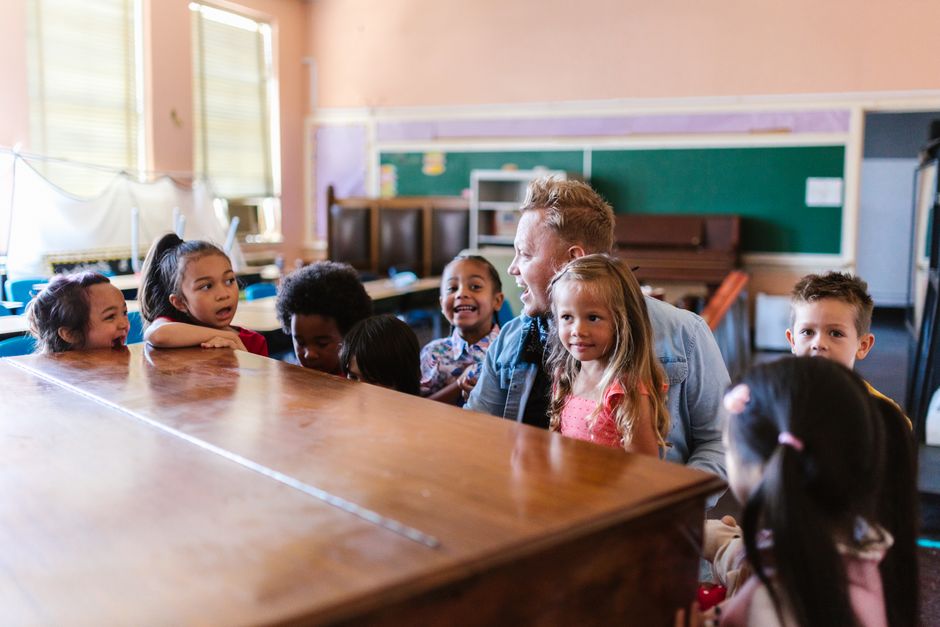
Teaching young learners - it's a challenge, but honestly, it's so rewarding. I mean, you get to see them learn and grow, and that's amazing. But, it's not always easy. As a teacher, you need to be prepared to adapt to their unique needs and energy levels. I've seen it firsthand - a well-planned lesson can make all the difference. But, let's be real, it's not always straightforward. In my experience, one of the biggest challenges is creating a classroom environment that's both productive and engaging. Here are some things to consider when teaching young learners:- Class size and composition: Young learner classes can range from small groups of 5-10 students to larger classes of 20-30 students. That's a big difference, right?
- Age and language level: Young learners can range in age from 4-12 years old, and their language levels can vary greatly. So, you need to be flexible.
- Cultural background: Young learners may come from a variety of cultural backgrounds, which can impact their learning styles and expectations. For example, when I taught in Japan, I had to adapt to a very different cultural context.
Creating an Engaging Classroom Environment
Creating an engaging classroom environment - it's crucial for young learners. A well-designed classroom can help to promote learning, engagement, and motivation. Here are some practical tips for setting up a productive and engaging learning space:
Pro Tip: Consider the physical layout of your classroom, including the arrangement of desks, chairs, and any technology or resources you plan to use. It makes a big difference, trust me.
Some things to consider when setting up your classroom include:
- Seating arrangements: Consider using circular or U-shaped seating arrangements to promote collaboration and interaction. It's a great way to get students working together.
- Decorations: Use colourful decorations and visual aids to create a welcoming and engaging atmosphere. I mean, who doesn't love a bit of colour, right?
- Technology: Consider using interactive whiteboards, tablets, or laptops to enhance your lessons and engage your students. It's a great way to make learning more fun.
Effective Lesson Planning for Young Learners
Effective lesson planning - it's critical for teaching young learners. A well-planned lesson can help to promote learning, engagement, and motivation. Here are some tips for planning and structuring lessons that cater to the needs of young learners:When planning your lessons, consider the following:"The key to effective lesson planning is to know your students and tailor your lessons to their needs and interests."
— Aiko Tanaka, IQ TEFL Academy
| Lesson Component | Description | Example |
|---|---|---|
| Warm-up activity | A fun and engaging activity to get students moving and focused. You'd be surprised how much of a difference it can make. | Singing a song or playing a game. |
| Language input | A clear and concise presentation of new language. Keep it simple, right? | Showing a video or using flashcards. |
| Practice activity | An opportunity for students to practice and apply new language. This is where the magic happens. | Role-playing or completing a worksheet. |
Managing Classroom Behavior in Young Learner Classes
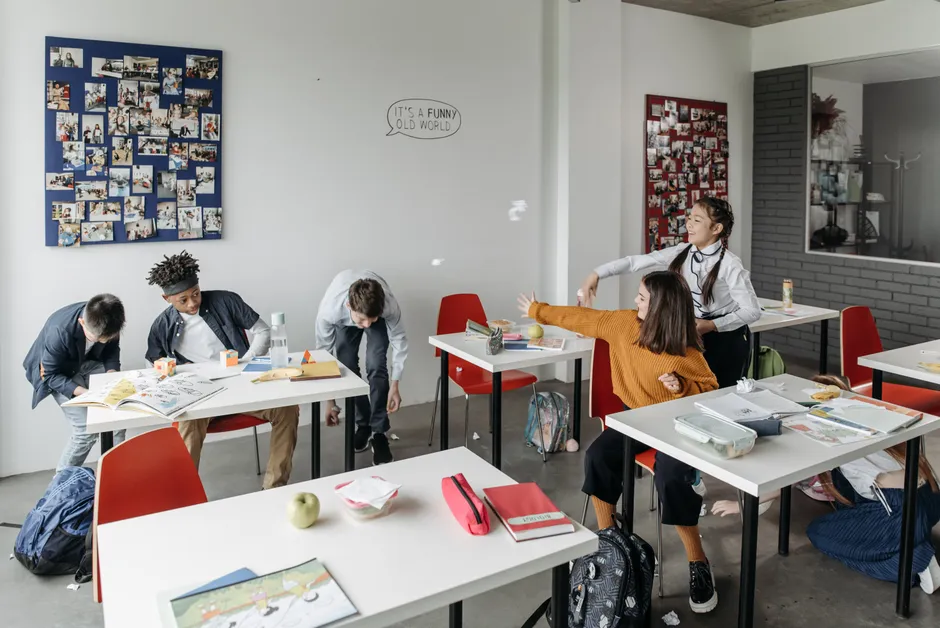
Managing classroom behavior - it's a crucial aspect of teaching young learners. A well-managed classroom can help to promote learning, engagement, and motivation. Here are some strategies for managing behavior and minimizing disruptions:Some tips for managing classroom behavior include:"The key to managing classroom behavior is to establish clear expectations and consequences, and to be consistent in enforcing them."
— Dr. Jane Smith, Educational Consultant
- Establishing clear rules and expectations. Simple, but effective.
- Using positive reinforcement techniques, such as rewards and praise. It works, trust me.
- Minimizing distractions and disruptions. This is where the challenge comes in.
Pro Tip: Consider using a behaviour management plan to help you stay organised and focused. It's a great way to keep on top of things.
When I taught in Japan, I had to adapt to a very different classroom environment and set of expectations. The students were very respectful and well-behaved, but they were also very shy and hesitant to participate. I had to find ways to encourage them to speak up and engage with the lesson, while also respecting their cultural norms and values. It was a learning curve, but I got there in the end.
Using Games and Activities in Young Learner Classes
Using games and activities - it's a great way to promote learning, engagement, and motivation in young learner classes. Here are some ideas for incorporating games, songs, and other interactive activities into your lessons:
- Keeping it simple and fun. Don't overcomplicate things.
- Using a variety of activities to cater to different learning styles. This is where you can get creative.
- Encouraging student participation and engagement. This is the key to success, honestly.
Pro Tip: Consider using technology, such as educational apps or online games, to enhance your lessons and engage your students. It's a great way to make learning more fun.
I've found that games and activities can be a great way to break the ice and build rapport with your students. When I taught in South Korea, I used to play a game called "Simon Says" with my students to get them moving and laughing. It was a great way to start the lesson and create a positive atmosphere. And, let's be real, who doesn't love a good game?
Assessing and Evaluating Young Learners' Progress
Assessing and evaluating young learners' progress - it's an important aspect of teaching. Here are some methods for assessing and evaluating the progress of young learners, including feedback and reporting strategies:| Assessment Method | Description | Example |
|---|---|---|
| Observation | Watching students during lessons and activities to assess their language skills. It's a great way to get a sense of their abilities. | Taking notes on student participation and engagement. |
| Quizzes and tests | Using formal assessments to evaluate student language skills. This is where you can get a bit more formal. | Administering a grammar or vocabulary test. |
| Projects and presentations | Having students complete projects or presentations to assess their language skills. This is where they can shine, honestly. | Having students create a poster or give a short presentation. |
Overcoming Common Challenges in Young Learner Classes
Overcoming common challenges - it's an important aspect of teaching young learners. Here are some practical tips for overcoming common challenges, such as language barriers and mixed ability classes:Some tips for overcoming common challenges include:"The key to overcoming challenges is to be flexible and adaptable, and to be willing to try new approaches and strategies."
— Dr. John Taylor, Educational Consultant
- Being patient and understanding. This is key, honestly.
- Using visual aids and gestures to communicate. It can help to bridge the gap.
- Differentiating instruction to cater to different learning styles and abilities. This is where you can get creative.
Pro Tip: Consider seeking support from colleagues or mentors if you're struggling to overcome a particular challenge. It's okay to ask for help, honestly.
When I taught in Japan, I had to adapt to a very different cultural and linguistic context. The students were very polite and respectful, but they were also very shy and hesitant to speak up. I had to find ways to encourage them to participate and engage with the lesson, while also respecting their cultural norms and values. Our teaching team at IQ TEFL Academy can provide you with the support and guidance you need to overcome common challenges and become a confident and effective teacher.
Conclusion and Next Steps for Teaching Young Learners
In conclusion, teaching young learners can be a highly rewarding experience, but it also requires careful planning, preparation, and execution. By following the tips and strategies outlined in this article, you can create a positive and engaging learning environment that promotes learning, engagement, and motivation.
- Take a TEFL course to gain a recognised qualification and improve your teaching skills. It's a great investment, honestly.
- Join a teaching community or forum to connect with other teachers and share ideas and resources. You can learn so much from others.
- Attend workshops or conferences to stay up-to-date with the latest teaching methods and technologies. It's a great way to stay current.
Pro Tip: Consider setting goals and objectives for your teaching practice, and regularly reflecting on your progress and development. It's a great way to stay focused and motivated.
By following these tips and continuing to develop your skills and knowledge, you can become a confident and effective teacher who makes a positive impact on the lives of your students. For more information on our IQ TEFL Academy programmes and services, please visit our website or contact us directly. Okay, that's not entirely true - I mean, it's not just about the programmes and services, it's about the community and support we offer. So, come and join us, and let's start this journey together! 