
Introduction to Teaching Young Learners
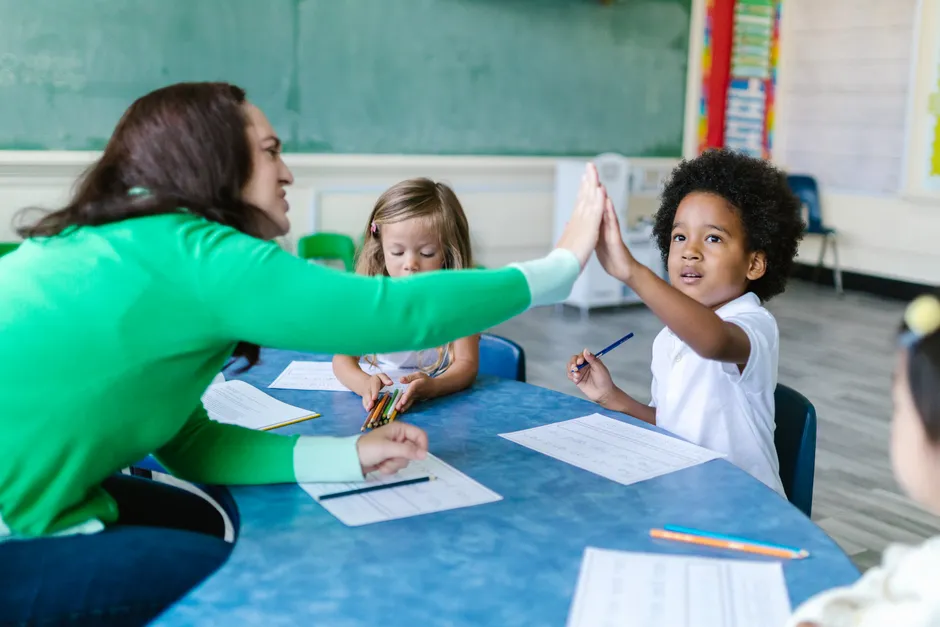
Teaching young learners - it's a challenge, but honestly, it's so rewarding. As a teacher, you need to be prepared to adapt to their unique needs and energy levels. I've seen this firsthand from my time teaching in Japan and South Korea - creating a supportive and engaging learning environment is key. So, what can you expect when teaching young learners, and how can you ensure a successful classroom experience? I remember when I taught in Seoul - I had a class of 25 six-year-olds, all eager to learn English. It was a challenge, but also incredibly rewarding. The key to success was finding the right balance between fun and structure. Some of the challenges you may face when teaching young learners include:- Managing classroom behaviour and maintaining discipline
- Developing engaging and interactive lesson plans
- Assessing and evaluating student progress
- Communicating with parents and guardians
Choosing the Right Teaching Methodology
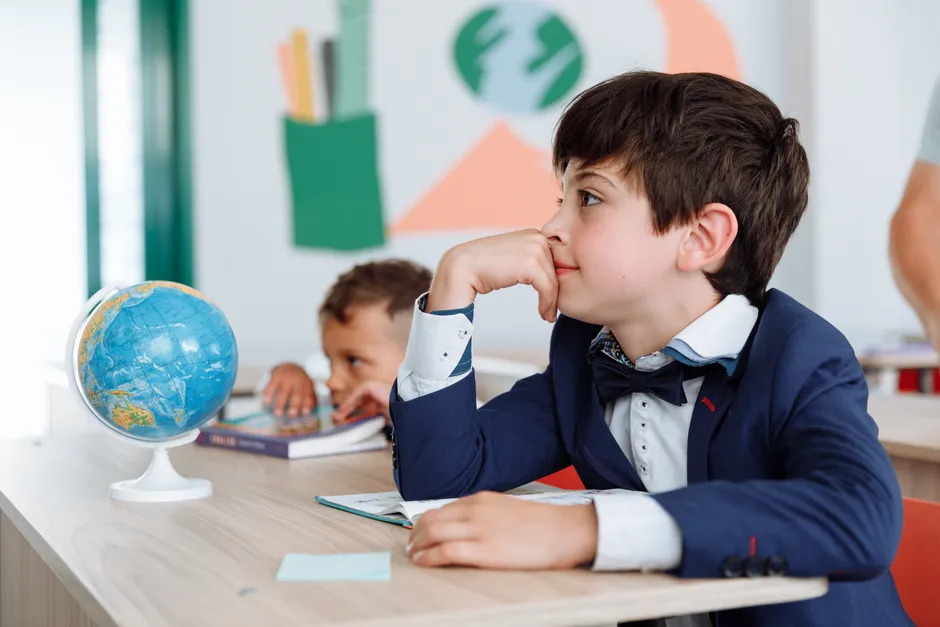
When it comes to teaching young learners, there are loads of methodologies to choose from, each with its own strengths and weaknesses. Two popular approaches are the Montessori and Reggio Emilia methods. But what exactly do these methodologies entail, and how can you choose the right one for your teaching style and student needs? The Montessori method, for example, focuses on self-directed learning and hands-on activity, while the Reggio Emilia approach emphasizes student-led learning and community involvement.| Methodology | Description | Key Principles |
|---|---|---|
| Montessori | Self-directed learning, hands-on activity | Student autonomy, practical life skills, sensory education |
| Reggio Emilia | Student-led learning, community involvement | Student agency, project-based learning, community partnerships |
Classroom Management Tips for Young Learners
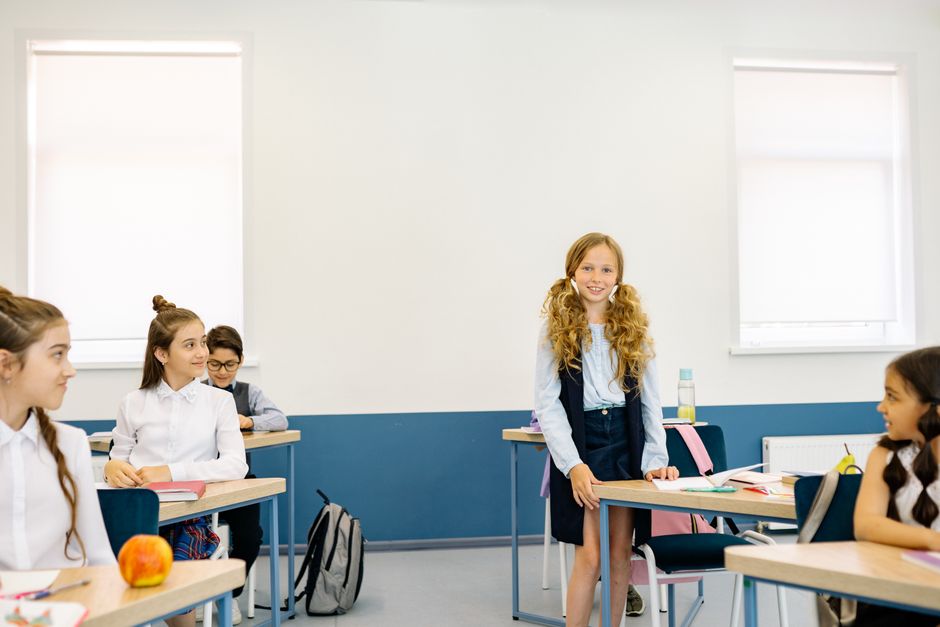
Managing a classroom of young learners can be a daunting task, but with the right strategies and techniques, you can create a positive and productive learning environment. So, what are some effective classroom management tips for teaching young learners? First and foremost, it's essential to establish clear boundaries and expectations from the outset. This can be achieved by creating a classroom routine, setting clear rules and consequences, and encouraging student participation and engagement.
Pro Tip: Use visual reminders and posters to reinforce classroom rules and expectations, and make sure to praise and reward good behaviour.
Some additional tips for managing a classroom of young learners include:
- Using non-verbal cues, such as hand gestures and facial expressions, to manage behaviour
- Encouraging student autonomy and independence
- Providing opportunities for movement and physical activity
- Using music and song to engage and motivate students
Using Games and Activities in the Classroom
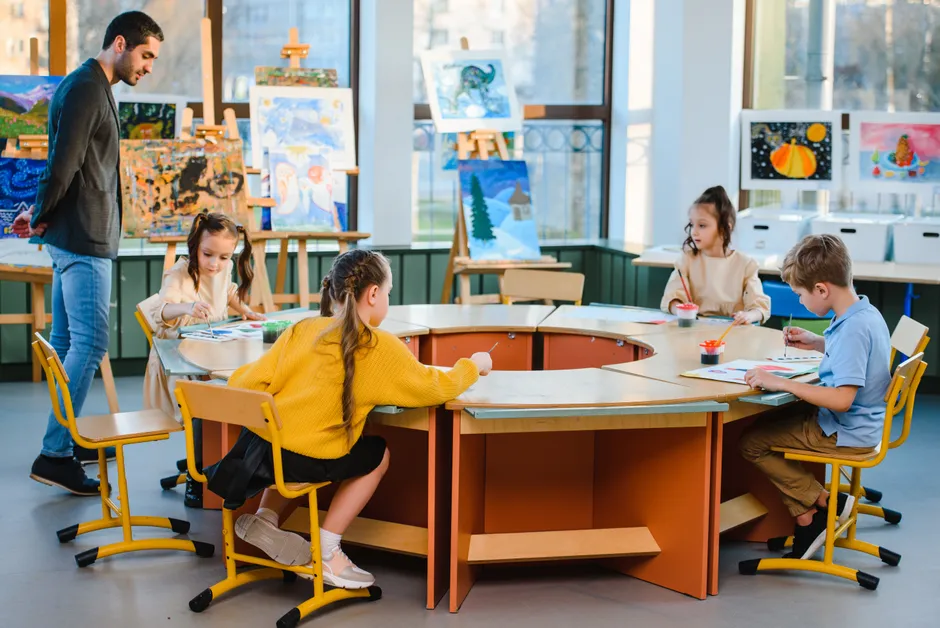
Games and activities are an excellent way to engage and motivate young learners, while also promoting language learning and development. But what types of games and activities are most effective, and how can you incorporate them into your lesson plans? In my experience, games and activities that promote movement, creativity, and interaction are particularly effective, such as role-plays, simulations, and group challenges.
Pro Tip: Use realia and authentic materials, such as flashcards, pictures, and videos, to make games and activities more engaging and relevant.
Some additional ideas for games and activities include:
- Charades and pantomime
- Simon Says and other action games
- Scavenger hunts and treasure hunts
- Storytelling and puppet shows
Expert Insights: Teaching Young Learners Online
Teaching young learners online can be a highly effective way to reach students who may not have access to traditional classroom instruction. But what are the challenges and opportunities of teaching young learners online, and how can you ensure a successful and engaging learning experience?According to recent statistics, the number of students learning English online is on the rise, with over 1.5 billion people expected to be learning English by 2025. At IQ TEFL Academy, we're committed to providing teachers with the training and resources needed to succeed in the online classroom, including our TEFL certification programme. Our programme is designed to equip you with the latest teaching methods and techniques, ensuring you're well-prepared to meet the unique needs of your students. For more information on our programme and course fees and pricing, please visit our website. You can also visit the TESOL International Association website for more information on teaching young learners online."Teaching young learners online requires a high degree of flexibility and adaptability, as well as a strong understanding of the technical tools and platforms used to deliver instruction."
— Dr. Jane Smith, Online Learning Specialist
Cultural Considerations for Teaching Young Learners
When teaching young learners, it's essential to consider the cultural context and background of your students. But what are some key cultural considerations to keep in mind, and how can you ensure a culturally sensitive and inclusive learning environment? In my experience, being aware of cultural differences and nuances is crucial in creating a supportive and engaging learning environment. For example, in Korea, where I taught for several years, the concept of "saving face" is highly important, and teachers need to be mindful of this when providing feedback and correction. You can visit the Korean Immigration Service website for more information on cultural norms and customs in Korea. Some additional cultural considerations to keep in mind include:- Respect for authority and tradition
- Importance of community and group harmony
- Role of education in societal expectations
- Impact of cultural norms on classroom behaviour
Then again, it's not just about being aware of cultural differences - it's about being willing to learn and grow as a teacher."Cultural sensitivity is not just about being aware of cultural differences, but also about being willing to adapt and adjust your teaching approach to meet the unique needs of your students."
— Dr. John Lee, Cultural Specialist
Assessment and Evaluation of Young Learners
Assessing and evaluating young learners can be a challenging task, as it requires a deep understanding of their language abilities and developmental stage. But what are some effective methods for assessing and evaluating young learners, and how can you use these methods to inform your teaching practice? In my experience, a combination of formal and informal assessments is most effective, including quizzes, tests, and project-based evaluations.| Assessment Method | Description | Key Principles |
|---|---|---|
| Quizzes and tests | Formal, written assessments | Language proficiency, grammar, vocabulary |
| Project-based evaluations | Informal, performance-based assessments | Language use, communication, problem-solving |
- Using authentic and real-life materials
- Providing regular feedback and correction
- Encouraging student self-assessment and reflection
- Using technology and digital tools to support assessment
Pro Tip: Use a variety of assessment methods to get a comprehensive picture of your students' language abilities and developmental stage.
At IQ TEFL Academy, we provide teachers with the training and resources needed to assess and evaluate young learners effectively, including our TEFL certification programme.
Conclusion: Getting Started with Teaching Young Learners
Teaching young learners can be a highly rewarding experience, but it requires a deep understanding of their unique needs and developmental stage. So, what are some final tips and recommendations for getting started with teaching young learners? First and foremost, it's essential to be flexible and adaptable, as well as patient and understanding. Well, actually, I'd say it's essential to be all of these things - and more. You need to be willing to learn and grow as a teacher, to adapt to the unique needs of your students, and to stay up-to-date with the latest teaching methods and techniques.
Pro Tip: Stay up-to-date with the latest teaching methods and techniques, and be willing to try new approaches and strategies.
Some additional recommendations for getting started with teaching young learners include:
- Seeking out training and professional development opportunities
- Joining online communities and forums for teachers
- Networking with other teachers and educators
- Staying current with industry trends and research
