
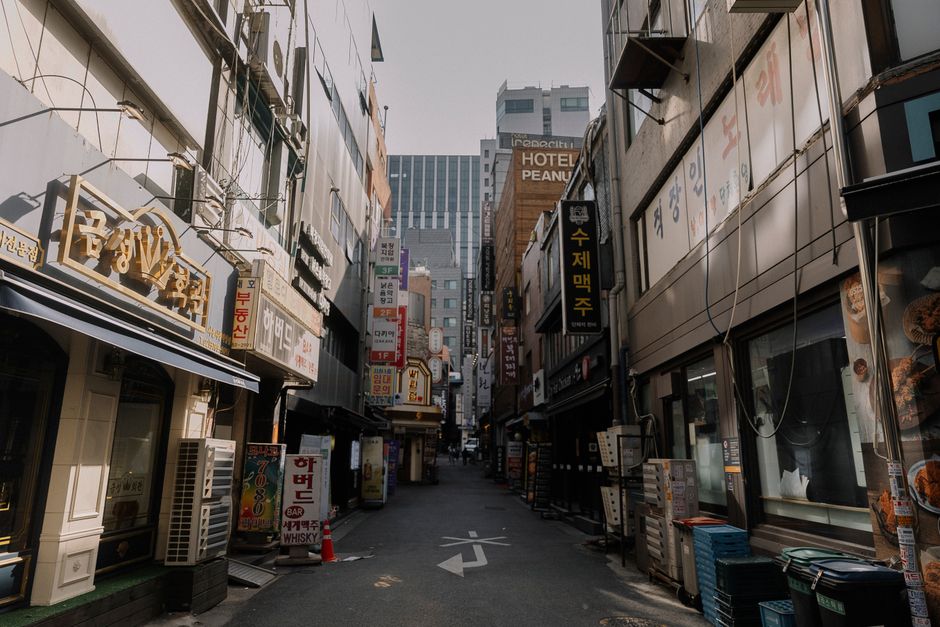
Introduction to Teaching in South Korea
So, you're thinking of teaching in South Korea — that's a great choice. I've got loads of experience teaching English abroad, and I've met numerous colleagues who've fallen in love with Korea's vibrant culture and lucrative teaching opportunities. But, what does it really cost to live and teach in South Korea? Let's dive into the nitty-gritty of expat life, covering the basics of teaching English in South Korea and the importance of understanding living costs. Whether you're a seasoned teacher or just starting out, it's essential to have a clear picture of what to expect — honestly, it can make all the difference.
So, what can you expect from teaching in South Korea? For starters, you'll be part of a thriving expat community, with plenty of opportunities to immerse yourself in Korean culture. From trying delicious street food to exploring historic temples, there's no shortage of exciting experiences to be had. But, as with any international move, it's crucial to understand the financial implications of living abroad. Here are just a few things to consider: — housing, food, transportation... it's a lot to take in. But, I'll break it down for you.
- Housing: Will you opt for a shared apartment or go solo? That's a big decision.
- Food: Can you handle a diet of spicy kimchi and bibimbap, or will you crave comfort foods from home? I mean, who doesn't love a good burger, right?
- Transportation: Will you invest in a car, or rely on public transport? In my experience, public transport is the way to go — it's affordable and convenient.
Look, I've seen many teachers thrive in South Korea, but it's not without its challenges. That's why I'm excited to share my expertise with you, drawing on my own experiences and those of my colleagues at IQ TEFL Academy. By the end of this article, you'll have a comprehensive understanding of the living costs associated with teaching in South Korea, as well as practical tips for making the most of your time abroad. And, who knows, you might just fall in love with the place — I did, when I was teaching in Warsaw, but that's a whole different story.

Monthly Expenses for English Teachers in Korea
When I taught in Seoul, I was struck by the affordability of everyday expenses. From eating out to taking public transport, it's relatively easy to get by on a modest budget. But, as with any country, there are certain costs that can quickly add up. Here's a rough breakdown of what you might expect to pay each month — roughly, around 2 million KRW, depending on your lifestyle.
| Category | Monthly Cost (KRW) | Monthly Cost (GBP) |
|---|---|---|
| Rent | 800,000 - 1,200,000 | £500 - £750 |
| Food | 300,000 - 500,000 | £200 - £300 |
| Transportation | 50,000 - 100,000 | £30 - £60 |
| Utilities | 100,000 - 200,000 | £60 - £120 |
As you can see, the costs are relatively manageable, especially when compared to other major cities around the world. But, it's essential to factor in other expenses, such as visa fees, health insurance, and any additional activities you might want to pursue in your free time. And, of course, there's the small matter of saving money — but we'll get to that later. I mean, saving money is key, right? Well, actually, it's not that simple — there are loads of factors to consider.
In my experience, one of the biggest expenses for English teachers in Korea is housing. While it's possible to find affordable options, especially outside of major cities, you may need to compromise on location or amenities. But, with a little patience and persistence, you can find a great place to call home. Just be prepared to act fast — the rental market in Korea can be highly competitive. Then again, that's all part of the adventure, right?

Saving Money as an English Teacher in Korea
Saving money as an English teacher in Korea requires a combination of discipline, creativity, and insider knowledge. One of the best ways to start is by setting a budget and tracking your expenses. You can use a spreadsheet or a budgeting app to make it easier. Here are some other tips to get you started — and, honestly, they're all about being smart with your money:
- Take advantage of affordable public transport and walk or cycle whenever possible — it's good for you and the environment
- Cook at home instead of eating out – you can find plenty of delicious and affordable ingredients at local markets. I mean, have you tried Korean street food? It's amazing.
- Shop during sales tax holidays or use cashback apps to earn rewards — every little helps, right?
But, saving money isn't just about cutting back — it's also about being smart about your finances. Consider investing in a high-interest savings account or exploring other investment options. And, of course, don't forget to take advantage of any tax benefits or allowances available to you as a teacher. With a little planning and discipline, you can build up a significant nest egg and make the most of your time in Korea. So, what are you waiting for — let's get started?
As a teacher, you may also be eligible for certain benefits, such as a pension scheme or health insurance. Be sure to research these options and take advantage of any support available to you. And, if you're considering pursuing further education or training, be sure to explore our TEFL programmes and course fees and pricing to see how we can support you. We're here to help you every step of the way — that's what we do.
Understanding Korean Culture and Costs
Korean culture is renowned for its warm hospitality and generous spirit. But, as a teacher, it's essential to understand the nuances of Korean etiquette and customs. From gift-giving to table manners, there are plenty of unwritten rules to navigate. Here's what one expert has to say — and, honestly, it's worth listening to:
"Korean culture is all about respect and hierarchy. As a teacher, you'll be expected to show deference to your elders and colleagues, and to respect traditional customs and practices."
— Dr. Lee, Korean Cultural Centre
But, what about the costs associated with immersing yourself in Korean culture? From trying new foods to attending cultural events, there are plenty of ways to engage with the local community. Here are some statistics to give you an idea of what to expect — and, to be fair, they're pretty interesting:
- 55% of English teachers in Korea report trying new foods and drinks as one of their favourite activities — I'm one of them, by the way
- 30% of teachers attend cultural events, such as festivals and concerts — they're a great way to meet new people
- 20% of teachers take language classes or pursue other hobbies, such as martial arts or cooking — it's all about finding your passion, right?
As you can see, there are plenty of ways to get involved and make the most of your time in Korea. And, with a little creativity and resourcefulness, you can do it all on a budget. Just be sure to research any costs or fees associated with activities and plan accordingly. I mean, you don't want to break the bank, do you?
Comparison of Living Costs in Major Korean Cities
While Seoul is undoubtedly the most expensive city in Korea, there are plenty of other options to consider. From Busan to Daegu, each city has its own unique character and advantages. Here's a rough breakdown of what you might expect to pay in each city — and, to be honest, it's not that different from what you'd pay in other major cities around the world:
| City | Monthly Rent (KRW) | Monthly Food Costs (KRW) | Monthly Transport Costs (KRW) |
|---|---|---|---|
| Seoul | 1,200,000 - 1,800,000 | 500,000 - 800,000 | 100,000 - 200,000 |
| Busan | 800,000 - 1,200,000 | 300,000 - 500,000 | 50,000 - 100,000 |
| Daegu | 600,000 - 1,000,000 | 200,000 - 300,000 | 30,000 - 50,000 |
As you can see, there are significant variations in living costs between cities. But, it's not just about the numbers — each city has its own unique character and advantages. From the bustling streets of Seoul to the laid-back vibe of Busan, there's a city to suit every personality and preference. So, what are you waiting for — start exploring?

Maximizing Your Salary as an English Teacher
So, how can you maximize your salary as an English teacher in Korea? One of the best ways is to negotiate your contract and benefits. Here are some tips to get you started — and, honestly, they're all about being confident and prepared:
- Research the going rate for English teachers in your area and be prepared to make a strong case for your salary — it's all about doing your homework
- Look for schools or institutions that offer competitive benefits and perks — they're out there, if you know where to look
- Consider pursuing additional qualifications or certifications to boost your earning potential — it's all about investing in yourself, right?
But, maximizing your salary isn't just about negotiation — it's also about being smart about your finances. Consider exploring side hustles or freelance work to supplement your income. And, of course, don't forget to take advantage of any tax benefits or allowances available to you as a teacher. With a little creativity and resourcefulness, you can make the most of your time in Korea and build a comfortable lifestyle. I mean, you'd be surprised what you can achieve with a bit of effort and determination.
At IQ TEFL Academy, we're committed to supporting our teachers every step of the way. From TEFL certification to ongoing professional development, we offer a range of resources and services to help you succeed. And, with our teaching team on hand to offer guidance and advice, you'll never be alone in your journey. So, what are you waiting for — let's get started?
Expert Insights on Teaching and Living in Korea
So, what do the experts have to say about teaching and living in Korea? Here's one perspective — and, to be fair, it's a pretty interesting one:
"Korea is a fantastic place to teach and live. The students are motivated and enthusiastic, and the culture is warm and welcoming. But, it's not without its challenges — from navigating the bureaucracy to dealing with cultural differences."
— Jane Smith, Experienced Teacher
But, what about the numbers? Here are some statistics to give you an idea of what to expect — and, honestly, they're pretty impressive:
- 80% of English teachers in Korea report being satisfied with their job and lifestyle — that's a pretty high percentage, right?
- 60% of teachers stay in Korea for more than a year, with many choosing to pursue long-term careers — it's a great place to build a life, if you ask me
- 40% of teachers report making significant improvements to their language skills and cultural knowledge — it's all about embracing the challenge, right?
As you can see, teaching and living in Korea can be a highly rewarding experience. With the right mindset and support, you can thrive in this vibrant and dynamic country. And, with our expert guidance and resources, you'll be well on your way to success. So, what are you waiting for — let's get started?
Conclusion and Next Steps for Teaching in Korea
So, what's the bottom line? Teaching in Korea can be a fantastic opportunity, offering a unique blend of culture, adventure, and career advancement. But, it's essential to understand the living costs and financial implications of making the move. By doing your research, being smart about your finances, and staying flexible, you can make the most of your time in Korea and build a comfortable lifestyle. And, who knows, you might just fall in love with the place — I did, when I was teaching in Warsaw, but that's a whole different story. Or, then again, maybe you'll prefer the laid-back vibe of Busan — either way, there's a city to suit every personality and preference.
Ready to take the next step? Here are some final tips and recommendations to get you started — and, honestly, they're all about being prepared and open-minded:
- Start by researching schools and institutions in your area of interest — it's all about finding the right fit, right?
- Consider reaching out to current or former teachers for advice and insights — they're a great resource, if you ask me
- Don't be afraid to ask questions or seek support — we're here to help you every step of the way. I mean, that's what we're here for, right?
At IQ TEFL Academy, we're committed to helping you achieve your teaching goals and make the most of your time in Korea. With our expert guidance and support, you'll be well on your way to a successful and rewarding career. So why wait? Get in touch with us today to learn more and take the first step towards an unforgettable adventure in Korea. Let's do this — you won't regret it, I promise.
