

Understanding the Japanese Job Market for English Teachers
I still get caught off guard by how many people reckon you must be a native English speaker from places like the UK, US, or Australia to bag a teaching job in Japan. Honestly, that’s just not how it works anymore. Over the years, I’ve had the pleasure of working alongside fantastic teachers from Poland, Spain, the Philippines - you name it - and they absolutely thrived in Japanese classrooms. Sure, the market is competitive (it always is), but trust me, the need for English teachers doesn’t really let up. Teaching English in Japan isn’t just popular, it’s almost an obsession at the national level. The Ministry of Education is always banging the drum for “internationalisation”, parents are queuing outside Eikaiwa (that’s conversation schools) for interviews, and public schools are scrambling to get ALTs (Assistant Language Teachers) in their classrooms. Tokyo, Osaka, and Nagoya have always been the obvious hotspots, but honestly, regional cities are catching up big time.- ALT Programmes: Everyone’s heard of the JET Programme, but there are plenty of private dispatch companies (like Interac or Borderlink) that send teachers all over Japan. I’d say if your English is fluent and your degree is in something relevant, non-native speakers are getting a fair look these days.
- Eikaiwa (Conversation Schools): The big chains like Aeon, ECC, and Berlitz hire people for after-school and weekend slots. In these jobs, your accent doesn’t matter as much - what counts is that you’re clear and enthusiastic.
- International Schools and Universities: These are usually for folks with a bit more under their belt (like an MA in ELT or DELTA), and sometimes they want proof you’ve taught back home. The pay can be great, but these gigs are few and far between.
- Freelance and Online Teaching: Loads of teachers round out their incomes with private or online lessons. It became pretty normal after the pandemic - I see it everywhere now.
Tokyo Living Expenses for English Teachers: What to Expect
No matter how many times I end up in Tokyo, the prices still make me pull a face. It’s an exhilarating city, don’t get me wrong, but the cost of living can hit you like a ton of bricks, especially if you’re starting out on an entry-level teacher’s pay. And rent... Rent is the real killer here. Even a basic studio flat (if you see “1K” in listings, that’s what it means) not too far from Shinjuku will eat up half your take-home pay. Back when I was doing a teacher training stint in Nakano, my tiny place cost more than ¥90,000 (over £500) a month - and that was considered good value. Utilities, groceries, and travel aren’t exactly kind to your wallet either.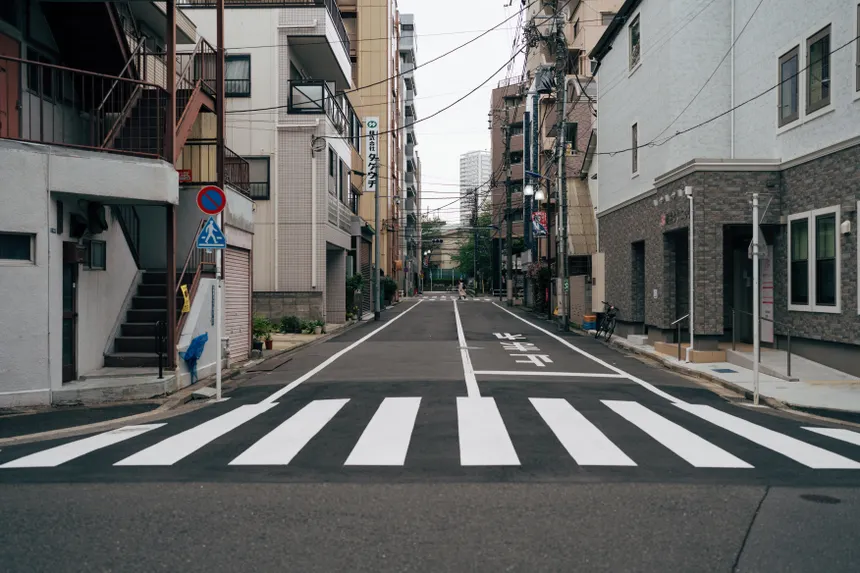
- Rent (1K flat, central Tokyo): ¥80,000 - ¥130,000 (£420 - £675) per month
- Utilities (electricity, gas, water): ¥10,000 - ¥15,000 (£52 - £78)
- Internet and mobile: ¥7,000 (£36)
- Groceries: ¥30,000 - ¥40,000 (£155 - £210)
- Transport (commuting pass + occasional travel): ¥15,000 - ¥20,000 (£78 - £104)
- Eating out (once a week): ¥10,000 (£52)
- Leisure (cinema, gym, etc): ¥7,000 (£36)
Cost of Living in Japan’s Regional Cities: Affordable Alternatives
The first time I stayed a month in Fukuoka, I couldn’t believe how much more affordable everything felt. You can actually get a flat with a separate bedroom all to yourself. No kidding. Things move at a slower pace, but the boost in lifestyle is pretty hard to ignore. Places like Fukuoka, Sapporo, and Hiroshima are turning into magnets for foreign teachers. Demand for English lessons is still healthy, but living costs are way lower than in Tokyo. Plus, you get to experience parts of Japan that most tourists never even see - and, honestly, a lot of teachers don’t either.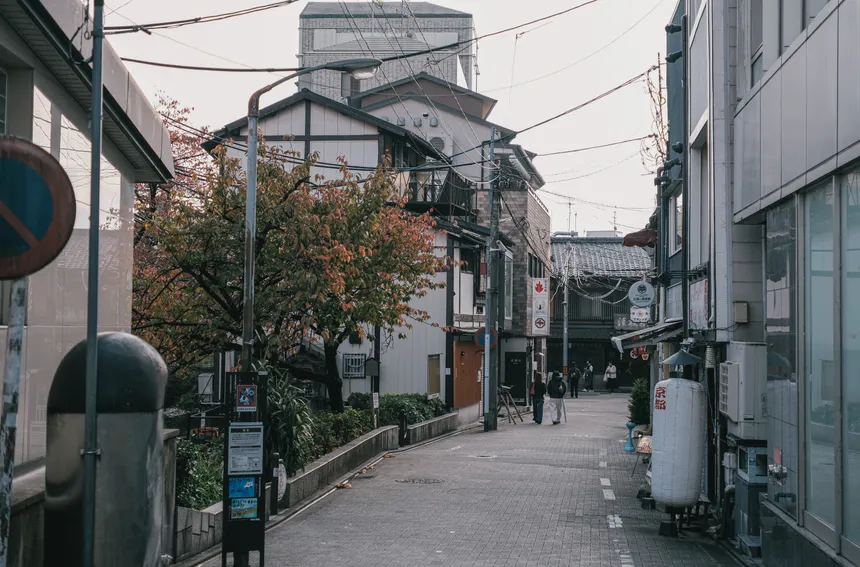
- Rent (1K or 1DK flat, central location): ¥40,000 - ¥70,000 (£210 - £365) per month
- Utilities: ¥8,000 - ¥12,000 (£42 - £62)
- Internet and mobile: ¥6,000 (£31)
- Groceries: ¥25,000 - ¥32,000 (£130 - £166)
- Transport: ¥7,000 - ¥12,000 (£36 - £62)
- Eating out (once a week): ¥7,000 (£36)
- Leisure: ¥5,000 (£26)
Tokyo vs Regional Cities: Cost of Living Comparison Table
Here’s a side-by-side comparison of what an average month looks like for a solo English teacher. All figures are based on real numbers from teachers on the ground in 2023-24.| Expense | Tokyo | Regional City (e.g. Fukuoka/Sapporo) |
|---|---|---|
| Rent (1K flat) | ¥100,000 (£520) | ¥55,000 (£285) |
| Utilities | ¥12,500 (£65) | ¥10,000 (£52) |
| Internet & Mobile | ¥7,000 (£36) | ¥6,000 (£31) |
| Groceries | ¥35,000 (£182) | ¥28,000 (£146) |
| Transport | ¥18,000 (£94) | ¥9,000 (£47) |
| Eating Out | ¥10,000 (£52) | ¥7,000 (£36) |
| Leisure | ¥7,000 (£36) | ¥5,000 (£26) |
| Total (per month) | ¥189,500 (£985) | ¥120,000 (£623) |
Maximising Your Teaching Salary: Budgeting Tips for English Teachers
Let’s be honest, nobody decides to go to Japan expecting to get rich teaching English. But you really can enjoy a good life and still save a bit - if you play your cards right. Back in my first years in London, I blew half my wages on rent, and I still kick myself for not learning how to budget properly earlier. Japan’s not so different. First step? Track where your cash actually goes for a month. You’ll be surprised - konbini snacks, capsule toys, yet another iced coffee. Then you can start to see where you can cut back.- If you can, live close to your school, even if the flat is tiny. Your wallet and your sanity will thank you (no more epic train journeys).
- Do your food shopping at supermarkets or local markets, not the fancy department stores or convenience stores.
- Use 100-yen shops for bits and bobs for your flat or classroom. Honestly, they’re a lifesaver.
- Try cooking at home more. Japanese dishes are often cheap, healthy, and not as fiddly as you’d think.
- Travel at off-peak times if you’re going exploring - discount tickets and buses can save you loads.
- Ride a bike. In most cities, it’ll be cheaper (and sometimes faster) than the bus or train.
- Plan your nights out. Tokyo especially can eat up your salary fast if you’re not careful. Hunt down those izakaya happy hours!
Expert Perspectives: Navigating Life and Finances as a TEFL Teacher in Japan
Last year, when I talked with teachers in Osaka and Sapporo, two things kept coming up: finding your community, and adjusting to the money side of things. Most teachers - especially if they’re not native speakers - arrive full of excitement, then get hit with that first taste of sticker shock. But here’s the interesting bit: after a year, quite a few are saving more than they ever did back home.Stats from the Ministry of Education (2022) suggest around 1 in 5 foreign English teachers in Japan are from non-native backgrounds - and that number is definitely climbing. Lots of them stick around precisely because the living’s easier and the people are friendlier outside Tokyo."Your first salary in Japan feels huge, but expenses add up fast. I started out in Tokyo, then moved to Sendai, and suddenly I could save double each month. If you want both adventure and a financial cushion, regional cities are the sweet spot."
- Marta Nowak, English Teacher & Trainer, Sendai
If you’re feeling stuck, our teaching team at IQ TEFL Academy is always up for helping out or putting you in touch with someone who’s been there and done that, wherever you end up in Japan."Don’t be afraid to ask for help, especially with paperwork or banking. Japanese colleagues are often relieved when you show initiative and curiosity. It’s the quickest way to be accepted."
- James Black, ALT Coordinator, Fukuoka
Transitioning from Urban to Regional: Tips for a Smooth Move
So, maybe Tokyo rent is wringing you dry, or you’re just craving a slower pace? Making the jump from a big city to a regional one is a big decision - one a lot of teachers make after a year or two. I’ve seen people go from squeezing into Shinjuku shoeboxes to sprawling in roomy Hiroshima flats, and the sense of relief is real. Almost like you can breathe again. Here’s how to make that whole move less stressful:- Start your job hunt early - three months before you plan to move is ideal. Regional schools hire year round, and early birds get the best options.
- Check if your new employer will help with moving costs. Some ALT agencies even cover your flight if you commit to a full year. Worth asking.
- Try to visit before you move. Even one weekend gives you a feel for which part of town suits you, how the trains run, and what the coffee shops are like.
- Sort out all your paperwork (residence card, pension, health care) before you move. It’s easier to transfer things when you’re already in Japan.
- Join a local Facebook group or Meetup for teachers and expats. Instant friends and handy tips, trust me.
- Pack light! Flats in Japan are smaller, and it’s easy to pick up what you need from a “recycle shop” anyway.
And don’t forget, all that support you had in Tokyo? Still there. At IQ TEFL Academy we’ve got alumni all over Japan. Someone will have been through exactly what you’re doing now, and they’ll help you find your feet."Moving from Tokyo to Fukuoka was the best decision I made. My salary went further, and the slower pace gave me time to study for my TEFL certification. I wish I’d done it sooner."
- Liam Carter, English Instructor, Fukuoka
Take the Next Step: How to Start Your English Teaching Journey in Japan
If reading about all this - sushi, neon, rivers lined with cherry blossom - makes you want to get on a plane, you’re definitely not alone. Teaching in Japan is rewarding and tough in equal measure, but honestly, there’s no single “right” path in. Whether you dream of skyscrapers in Shibuya or life in a little riverside town in rural Gifu, the trick is to get your ducks in a row before you go. Start by looking for employers that welcome non-native teachers (ALT dispatchers and regional schools are your best bet here). Make sure your CV shouts about your qualifications, any previous teaching, and the fact that you’re flexible and up for a challenge. If you haven’t got it already, a good TEFL certificate will open doors - and boost your teaching confidence while you’re at it.Still not sure where to get started? Just ask IQ TEFL Academy for some straight-talking advice, contacts in Japan, or even just a reality check on what the courses actually cost. The community’s a lot bigger (and more helpful) than you’d think, honestly. So, what do you reckon - ready to swap “maybe” for “when”? Japan’s ready for you. And yes - you really can afford it."Having a solid TEFL background was a game-changer. It gave me the tools to teach grammar clearly, and Japanese managers respected the qualification. I’d recommend our TEFL programmes to anyone serious about teaching here."
- Aneta Zielinska, Eikaiwa Teacher, Sapporo
