

TEFL in 2026 - Navigating a Changing Global Landscape
If you haven’t checked out TEFL job boards for a while, you might be in for a bit of a shock. Honestly, the world doesn’t look much like it did pre-2019, and the English teaching game has shifted with it. TEFL in 2026 comes with a mix of hurdles and chances: changing visa rules, AI-powered learning apps popping up everywhere, unpredictable student numbers, and, of course, the never-ending debate about native and non-native teachers (I’ll circle back to that - it still hits a nerve for a lot of us). But one thing remains: there are just loads of people learning English, which keeps TEFL ticking along. Over 2 billion English learners worldwide as of 2026, give or take. Still, the market isn’t what it used to be. Private schools in southern Europe are making a comeback, East Asia’s demand is here but more tightly controlled, and EdTech companies are on a hiring spree, scooping up freelancers for online group or one-to-one lessons.- Some areas (think Latin America and North Africa) are getting hotter as their economies open up.
- In East Asia - looking at you, China and South Korea - the bar is high: you need a degree, a solid TEFL certificate, sometimes even a teaching licence if you want a legal job.
- Online teaching is no longer that easy fall-back plan - too much competition now, and lower pay for those without strong qualifications.
- Hybrid jobs are a real thing: teaching kids face-to-face in the morning, adults online by night.
- Non-native teachers are getting more traction, but there are still some walls to break down in certain markets.

TEFL Job Opportunities - Where Are the Hotspots in 2026?
If you’ve been knocking about in TEFL for even a short stretch, you’ll know things change madly fast. The 2026 TEFL jobs map is different from the pre-COVID glory days. Some old favourites are going strong again, some places have faded away, and new, unexpected markets are showing up. Let’s have a look at where the action is:- Vietnam & Cambodia: Still booming, honestly. Language centres want teachers who’ll stay at least a year. The pay isn’t wild (£950-£1,400/month in Vietnam), but daily costs are pretty low too.
- Spain & Italy: Southern Europe’s back on its feet. Every September, things go a bit wild in terms of demand. More and more teachers freelance, especially in cities like Barcelona or Milan. Count on £900-£1,300 a month, but remember to budget for rent and tax.
- Gulf States (UAE, Saudi Arabia): The pay is high (£2,000-£3,500/month), but so are the hoops to jump through. Most schools want a degree, a respected TEFL certificate and at least two years’ experience. It’s tougher for non-native teachers, but not impossible.
- Japan & South Korea: The classics are still here, but with more paperwork. Japan’s JET Programme is a real competition, and Korean hagwons demand interviews and video demos.
- Online: Still possible, but the earlier gold rush is over. Quality and specialist skills (like IELTS or business English) now open doors.
| Country/Region | Salary Range (monthly) | Key Requirements |
|---|---|---|
| Vietnam | £950 - £1,400 | Degree, TEFL certificate |
| Spain | £900 - £1,300 | EU passport or visa, TEFL certificate |
| Saudi Arabia | £2,000 - £3,500 | Degree, TEFL, 2+ years’ experience |
| South Korea | £1,400 - £2,000 | Degree, TEFL, criminal background check |
| Online (Global) | £7 - £18/hour | TEFL, experience, digital skills |
Online vs. In-Person Teaching - Which Path Offers More Security?
People ask me this all the time. And honestly, there’s no perfect answer. If you’d asked me in 2020, I’d have said online teaching was the future. Now, in 2026, things have balanced out a bit. Let’s be real: neither route comes with absolute security, but each has things you’ll want to weigh up.- Online teaching: Still as flexible as it gets, and you can teach people half a planet away. But the space is packed. After China’s rule changes, most companies now focus on adults and markets outside China. Pay’s taken a hit unless you’ve got a niche or your own steady group of clients. But the plus side? Your classroom could be in Kraków, Cairo, or your mum’s kitchen, seriously.
- In-person teaching: Income tends to be steadier, and you get that sense of community. Especially where there aren’t enough teachers. The down side? Moving abroad’s not as simple as buying a ticket anymore. Think paperwork, visa drama, sometimes even health checks - it can feel endless.
| Aspect | Online | In-Person |
|---|---|---|
| Average Pay | £7 - £18/hour | £900 - £3,500/month |
| Job Security | Low - contracts are flexible, easy to lose students | Medium/High - contracts, legal protection |
| Flexibility | High - set your own hours | Low/Medium - fixed timetable |
| Career Progression | Slow - limited promotion routes | Better - senior roles, academic management |
| Work-Life Balance | Can be erratic, especially with timezone differences | More stable, but depends on country/city |

How Non-Native English Teachers Can Stand Out in 2026
If you’re not a native speaker and you’re reading this, I hear you. My first jobs in Poland? Half the adverts said “only native speakers,” like the passport mattered more than anything. But things are shifting - slowly, sure, and unevenly, but it’s moving. More schools now realise skill and passion beat an accent every time. Here’s what actually works in 2026:- Make sure your TEFL is from a provider schools trust. People aren’t fooled by cheap weekend certificates any more. Look for something that employers know, like TEFL certification from IQ TEFL Academy.
- Build a teaching portfolio. Record some demo lessons, collect proper testimonials from students, and show specific results if you can.
- Don’t hide your own English learning story. Many recruiters genuinely look for this - it helps students feel, “Okay, I could do this too.”
- Network everywhere. Most jobs never even reach a job board. Use alumni groups, Facebook, and teacher events (even the online ones) to meet decision-makers.
- Specialise. Go for IELTS, business English, young learners, ESP - these areas care more about what you know than how you sound.
- Get good with digital tech. Hybrid and online classes are here for the long haul.
Maximising Your TEFL Investment - Course Selection and Career Planning
Choosing a TEFL course? It’s a bit like picking the right trainers for a marathon. Go for something too short or dirt cheap, and you’re setting yourself up for trouble down the track. Splash out on a 300-hour monster just for the sake of it, and there’s a good chance you’ll run out of steam before you step into a classroom. Here’s what you really want to look for in 2026:- Accreditation. If schools and immigration don’t recognise it, it’s not worth your time or your money.
- Practical teaching. Theory’s fine, but you want real, observed lessons with feedback. Employers do look for this.
- Support for non-natives. Not every course gets it - pick one that actually understands your challenges (like our team at IQ TEFL Academy).
- Progression. Does the course actually help you step up to DELTA, an MA, or a management job, or is it a dead end?
- Decent price. There’s no need to shell out more than £250-£650 for a thorough, accredited course. Compare course fees and pricing for a quick reality check.
Expert Perspectives - TEFL Market Realities and Future Trends
Let’s get real: the stats don’t lie. Demand for TEFL is still strong, but it’s no longer simple. The British Council reckons English learner numbers will keep growing by 3 - 4% a year through 2026, especially in Africa and South America. But as Dr Emily Grant (who oversees international recruitment for a big UK TEFL outfit) puts it:And here’s something you might not have guessed: in 2025, over 40% of new TEFL jobs advertised asked for some digital or blended teaching experience. In big cities, hybrid roles are squeezing out those old-school classroom-only or pure online posts. Another take, from the Association of Non-Native English Teachers:"The biggest change is in employer expectations. TEFL is no longer a gap-year lark for the underqualified. Schools want adaptable teachers with digital skills, intercultural awareness, and solid training. The bar has been raised - and that’s a good thing for those who invest in their development."
- Dr. Emily Grant, International Recruitment Director
This is often missing in the glossy brochures, to be fair. TEFL is still competitive, but definitely not a closed shop. It’s the teachers who keep learning, adapt fast, and don’t expect the world on a plate who’ll come out ahead in 2026."We’re seeing a clear trend towards skills-based hiring. In Europe and Latin America, non-native teachers with strong qualifications are increasingly in demand. The old ‘native only’ mindset is finally being challenged by results in the classroom."
- Marta S., Association of Non-Native English Teachers
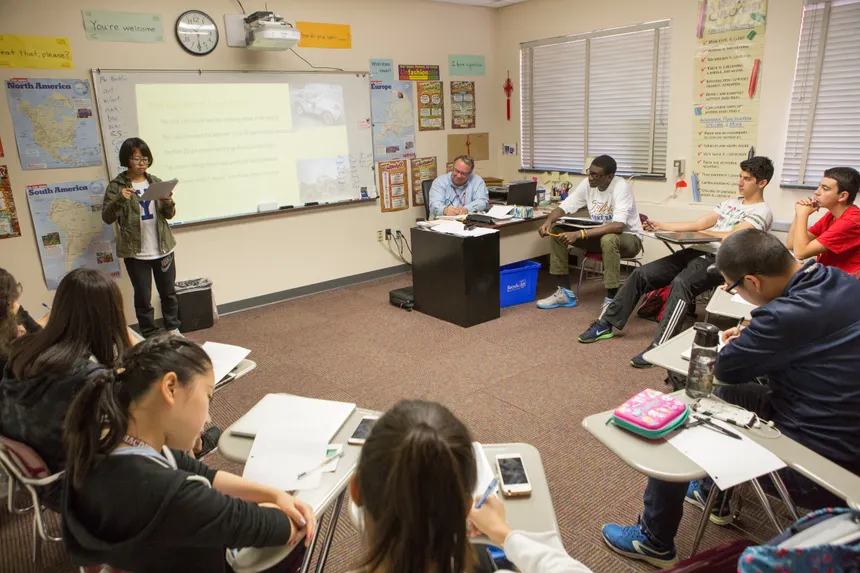
Voices From the Field - Real Stories From Recent TEFL Graduates
Nothing beats hearing from people who’ve actually walked the walk. Here’s what a few recent grads (all non-natives, by the way) told me about finding work and what it’s really like in class: Ana, originally from Romania and now teaching in Hanoi, had this to say:And Lukas, from Slovakia, who does business English online:"I worried about my accent at first, but the school loved my grammar explanations. My students are curious about my story, and it helps them feel more confident. I had to apply to ten positions before I got an interview - but now I wouldn’t swap this for anything."
- Ana, EFL Teacher, Hanoi
A Turkish teacher I met at a conference in Prague summed it up best: “There are still closed doors, but I’m finding open windows everywhere.” And those are just a few stories. I’ve had dozens of these chats with grads from our TEFL programmes. The pattern’s always the same: persistence, building your skills, and sometimes a bit of imaginative job hunting."The first year was tough. I started with group classes for £8 an hour. But after doing the IELTS trainer course and making a website, I doubled my rates. Being non-native is a benefit when you show clients you understand their struggles."
- Lukas, Online Business English Coach
Making Your Move - Steps to Launch Your TEFL Career in 2026
If you’re genuinely aiming for a TEFL career in 2026, don’t just fantasise - go and make it happen. Here’s what I tell absolutely everyone starting out (or giving it a fresh go):- Do your homework on which markets fit you best - don’t waste applications somewhere you don’t meet the requirements.
- Invest in a respected, internationally recognised TEFL course that actually includes live teaching. (Check our TEFL programmes for the details.)
- Sort out a standout CV and a short video intro.
- Practise demo lessons - record yourself and get honest feedback from someone who knows their stuff.
- Collect real references from tutors, uni lecturers, or clients - friends don’t count, let’s be honest.
- Pull together all your documents: degree, transcripts, police check, and digital portfolio.
- Update your digital teaching and classroom tech skills.
- Stay flexible and keep at it. That first job might not be perfect, but it gets your foot in the door.
