

Avoid These Common TEFL Mistakes: Essential Tips for New English Teachers
Understanding the Most Common Mistakes New TEFL Teachers Make
If you’ve just wrapped up your TEFL certification and that first class list is staring you down, you’re honestly in good company if you’re feeling a bit nervous. Been there myself, back in Warsaw. I remember spending a whole weekend before my first class buried in teaching books, thinking I’d be totally prepared if I just memorised enough theory. Well, actually, it didn’t quite work out the way I hoped - reality was a lot messier. The truth is, no matter where you’re teaching (Argentina, Vietnam, doesn’t matter), new teachers everywhere tend to hit the same bumps. Spotting these early on really is half the battle. So, what do people trip over again and again? It’s got very little to do with how clever you are or your level of English. It’s much more about those classic beginner jitters and, let’s be real, not having much experience yet. Here are the slip-ups I keep seeing, both from my own classes and from lots of new teachers I’ve guided:- Trying to squeeze way too much into one lesson
- Not setting up routines or rules from the start
- Using students’ native language “just to save time” (but it doesn’t really save that much)
- Overlooking local culture in the classroom
- Not adapting materials for different language levels
- Letting panic take over when a lesson goes off track (which will absolutely happen)
- Missing out on giving students time for practice and feedback
- Leaning on translation instead of focusing on real communication
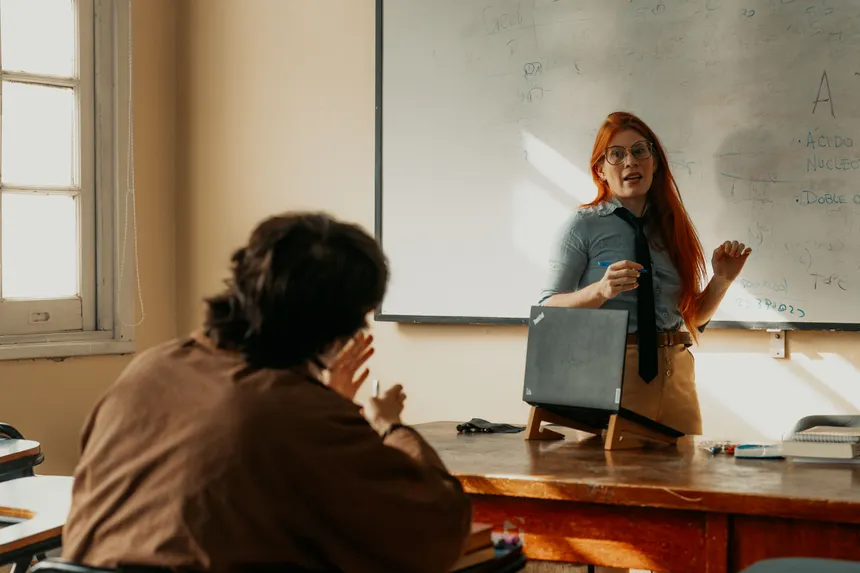
Classroom Management Challenges for First-Time TEFL Teachers
Let’s get honest about classroom control. Not the kind where you bark at students and expect instant silence (tried that, never works - especially not in Barcelona or Bangkok). I’m talking subtler stuff: routines, setting clear expectations, having boundaries. Lots of new teachers don’t see how vital this is... until they’re struggling to keep everyone focused and the past perfect is out the window. Back in my early days, I thought being the “cool teacher” meant rules didn’t matter. Trust me, my classes in Wrocław got wild in no time. Students really do rely on having structure, especially in a language class where everything already feels a bit up in the air. The main classroom management goofs I see year after year?- Being all over the place with discipline and praise
- Forgetting to start routines from lesson one
- Trying to be a mate instead of the teacher
- Letting off-task behaviour slide too long
- Giving instructions that are way too complicated
- Packing the lesson with activities that always need re-explaining
Pro Tip: Pick three plain class rules and keep to them. Write them up on the board. Go back to them regularly. It’s not exciting, but it seriously works. Consistency beats shouting every time.
And don’t forget: classroom management isn’t about being strict for the sake of it. You’re building a space where students feel safe enough to have a go at English, even if they mess it up. When I started every class in Warsaw with the same little warm-up, my students chilled out - and so did I, to be honest.

Cultural Awareness in TEFL: Mistakes and Solutions
Doesn’t matter how well you know your grammar - cultural slip-ups can catch you out a lot faster than a tricky verb. I once decided to do a Mother’s Day lesson in Istanbul. Guess what? It’s on a completely different date there, and the customs were nothing like I expected. Suddenly, I had a room full of confused teenagers. Oops. Cultural missteps aren’t just awkward - they can really mess with the trust in your classroom. The mistakes new TEFL teachers stumble into usually include:- Assuming things based on how things worked at their own school
- Using examples or cracking jokes that just don’t land culturally
- Bringing up topics nobody realised were taboo
- Expecting students to jump in and talk when silence is what’s normal
- Missing sensitive parts of local history or what’s okay to talk about in public
Pro Tip: Before launching into a new topic, run it by a local colleague or one of your more advanced students. Saves a lot of embarrassment - plus you’ll learn something yourself.
If you’re ever not sure, remember this: students can always tell when a teacher genuinely wants to learn from them. That’s much more effective than any page out of a coursebook."Cultural competence isn’t about memorising facts; it’s about listening, observing, and adjusting as you go. The best teachers are the most flexible."
- Dr. Ewa Nowak, ELT Researcher, University of Warsaw
Overusing Native Language: When and Why It Backfires
Let’s be honest. When you’re staring at a class of total beginners in São Paulo or Seoul, it’s tempting to slip into their language to get your point across. You want to save time, explain, move things along. But, to be fair, using L1 (their first language) too much can totally backfire. It takes away that little challenge students need to push themselves into real English. Here’s a quick side-by-side look at approaches, based on what I’ve seen first-hand from Kraków to Kuala Lumpur:| Approach | Short-term Effect | Long-term Outcome |
|---|---|---|
| Frequent use of L1 for instructions and explanations | Students seem to get things faster, at least at first | But in the long run, confidence in speaking goes down; you get learners who always need you |
| Limited, strategic use of L1 (only if you’re really stuck) | The start might be confusing, but students actually put in more effort with English | More independence, better listening and understanding skills |
| English only, with lots of gestures and visuals | Lessons start out a bit slow; you’ll get more laughs and wild guesses | But students end up way more confident, and “classroom English” improves loads |
Lesson Planning Pitfalls: How to Prepare Like a Pro
Few things reveal a new teacher’s nerves as clearly as lesson plans do. I’ve seen (and marked) hundreds from trainees at IQ TEFL Academy, and the same problems keep popping up. Sometimes there’s just way too much packed in (if you can teach four grammar points in 45 minutes, tell me your secret). Other times, there’s no real focus at all. Here’s what usually goes awry:- Cramming too much into one lesson
- Not having a clear goal (“Students will understand English” is too vague, trust me)
- Forgetting to leave space for students to practise and get feedback
- Ignoring the need for activities that are actually engaging
- Sticking only to the coursebook (and totally panicking if the photocopier isn’t working)
- Not having a spare activity (for me, "word tennis" always saved the day when classes finished early)
Pro Tip: Write a really simple lesson aim at the top of your plan (“By the end, students can order food in a café” is plenty). Keep checking that every activity helps you get there. If it doesn’t, ditch it.
A rock-solid lesson plan in a nutshell:
- Set one clear, student-focused goal
- Plan your lesson stages logically (start, input, practice, final activity)
- Mix group and solo tasks
- Bring along some extra tasks for speedy students
- Be realistic with timings - everything takes longer than you think, especially early on
Feedback from the Field: What Experienced TEFL Teachers Wish They Knew
After more than ten years in TEFL, here’s what I’ve found from chatting with colleagues all over the world: most people wish they’d dodged more beginner mistakes, but, weirdly, those same mistakes taught them the most. Still, if you can skip a few headaches, why wouldn’t you? The research backs it up. A 2023 ELT Journal survey found that over 60% of new teachers said their early classroom management fails led to months of extra stress. Plus, 70% admitted they felt nowhere near ready for all the cultural curveballs in their job. So, what do seasoned teachers wish they’d known?- To ask for help much earlier (your fellow teachers all get it)
- That a “good” lesson doesn’t have to be flawless - students remember how you made them feel, not your grammar drills
- That patience (with yourself and with your students) is a massive asset
- To focus on getting students talking and practising, not just on your own explanations
- That fitting in with the local context is way more useful than blindly following the coursebook
It’s not just about theory, is it? It’s about braving real classrooms, with real, unpredictable students and situations you never planned for."The single biggest mistake is thinking you have to be the expert on everything. The best teachers admit what they don’t know and learn together with their students."
- Anna S., Senior Trainer, IQ TEFL Academy

Building Confidence and Success as a New TEFL Teacher
You can read every TEFL book on the planet, but confidence actually comes from teaching real students and learning to roll with things as they happen. Good news? Every time you mess up or bounce back from a wobbly moment, you get stronger. When I started in London, I finished most lessons convinced I’d totally fluffed it. Now, looking back, even my worst days taught me something I genuinely use. So, how do you turn all those early hiccups into a springboard? First, accept mistakes as normal - your students will make them too. Second, connect with other teachers. Nothing brings a staffroom together like a disaster story (I once had to sing “Head, Shoulders, Knees and Toes” for twenty minutes when the projector failed - talk about making memories). Third, keep investing in yourself. Your first TEFL certificate is just the start. Go watch a coworker, brush up with an online course, try a workshop. Every tiny bit of CPD helps you avoid another classic rookie error.
Pro Tip: Start a teaching journal. After each class, jot down one thing that went alright and one thing you’d like to fix. Give it a couple of months and you’ll be amazed at how far you’ve come.
If you want more training or just want to join a community of teachers who get it, take a peek at our teaching team or check out our TEFL programmes. And if you’re wondering about costs, you’ll find everything at course fees and pricing. At the end of the day, teaching English abroad or online isn’t about being perfect. It’s about showing up, staying open, and learning along with your students. Dodging the classic mistakes isn’t about looking good - it’s about building a classroom where real learning (and, honestly, real joy) can kick in."Success isn’t about never making mistakes. It’s about building the confidence to recover, reflect, and improve. That’s what makes a teacher truly effective."
- Tomasz Kowalski, Senior Course Tutor, IQ TEFL Academy
